The University of Salamanca and the Salamanca Institute for Biomedical Research are reinforcing their commitment to public outreach and raising social awareness about this type of cancer through the #iluminaEnVerde initiative, launched by the Biliary Tract Tumors Association (ATUVIBI)
February is Cholangiocarcinoma Awareness Month, an opportunity to raise awareness and increase knowledge about this rare and highly aggressive liver cancer, for which information, research, and visibility are essential pillars of progress.
Following their recent participation in the international consensus on the disease, the University of Salamanca and the Salamanca Institute for Biomedical Research (IBSAL) are reinforcing their commitment to public outreach and raising social awareness about this cancer today, February 19, International Cholangiocarcinoma Day. This is a key date for raising awareness of the realities faced by patients and their families and for highlighting scientific advances aimed at improving diagnosis and treatment.
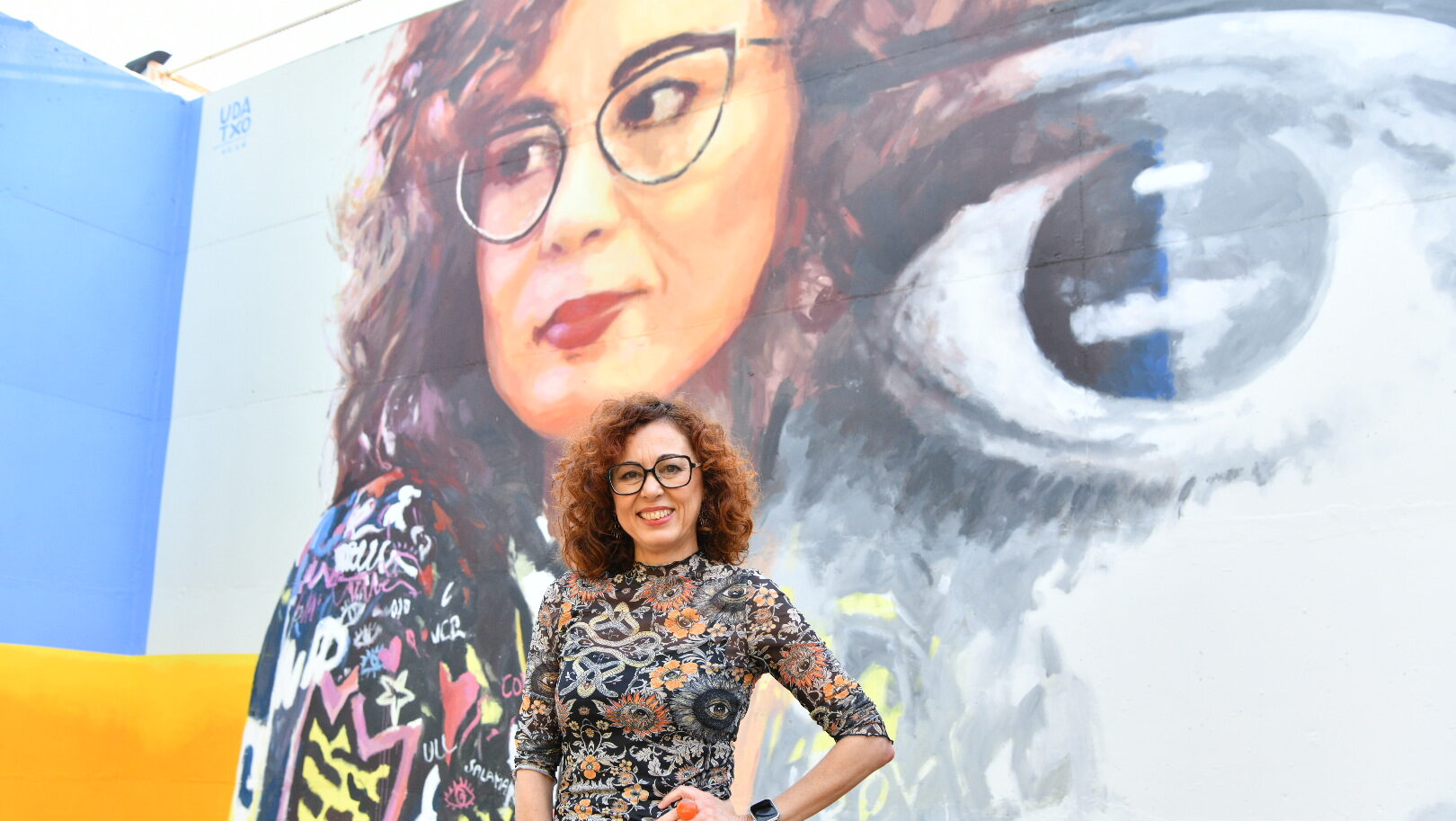
In this vein, the COST Action Precision-BTC-Network—a European network focused on precision medicine for bile duct cancers and coordinated by Rocío I. R. Macías, a professor in the Department of Physiology and Pharmacology at the University of Salamanca and a member of the HEVEPHARM group ( USAL/IBSAL), is promoting various initiatives to broaden awareness of cholangiocarcinoma and strengthen the connection between research and society.
Lighting of Buildings and Monuments in Spain and Abroad
In Salamanca, the Network is participating in the #iluminaEnVerde initiative launched by the Biliary Tract Tumors Association (ATUVIBI), in which 146 cities in Spain and abroad are participating by lighting up monuments and iconic buildings in green as a symbolic gesture of support for patients and their families.
Thus, the “Fachada Rica” at the University and the fountain in Plaza Zamora in Salamanca will join the 217 buildings that will be illuminated, including the Congress of Deputies in Madrid, Bellver Castle in Mallorca, the Roman Bridge in Orense, the Sagrada Familia in Barcelona, the Buenos Aires City Planetarium (Argentina), and the University of Glasgow (United Kingdom), among others.

In addition, in collaboration with the patient association ATUVIBI, an initiative has also been organized in Salamanca to distribute informational posters throughout the city, with the goal of providing the public with accurate information and fostering a better understanding of the disease, while emphasizing the importance of early diagnosis and translational research. The collaboration of the company Promedios has been essential to this initiative.
A Space for Reflection and Dialogue on Cholangiocarcinoma
Meanwhile, in Madrid, numerous members of the COST Precision-BTC-Network are participating today in the conference “Lighting the Way,” organized by ATUVIBI in the Valle-Inclán Hall at the Círculo de Bellas Artes. The event, aimed at patients, caregivers, and healthcare professionals, provides a space for reflection and dialogue where real-life experiences are shared, the challenges of early diagnosis of bile duct tumors are addressed, and the importance of support, research, and public awareness is highlighted.

The event will also be streamed live on ATUVIBI’s YouTube channel, and throughout the day, a video produced as part of the COST Precision-BTC-Network Action will also be posted on the ATUVIBI website, highlighting some of the key achievements of recent months and the planned future lines of work. This audiovisual material helps the public understand the real impact of international scientific collaboration on progress toward more personalized medicine for bile duct cancers.
In short, from Salamanca and in coordination with the European network led by USAL, the scientific community and partner organizations reaffirm their commitment to developing new diagnostic and therapeutic strategies, as well as to supporting those living with cholangiocarcinoma. Visibility is the first step toward progress.

ATUVIBI, Biliary Tract Tumors Association
ATUVIBI is the first Spanish patient association specializing in biliary tract tumors (cholangiocarcinoma, gallbladder carcinoma, and tumors of the ampulla of Vater), a rare form of cancer that accounts for only 2% of all cancer cases in Spain.
One of its main areas of focus is the development and launch of projects with the clear, shared goal of providing comprehensive support to patients, their families, and caregivers; raising community awareness about this complex disease; and promoting research.
The association carries out a wide range of activities, from managing a support community for patients, family members, and caregivers to producing a newsletter with the latest news regarding ATUVIBI and bile duct tumors, to attending medical conferences and events, conducting membership recruitment campaigns, organizing outreach events, running awareness and visibility campaigns for the disease, and hosting charity challenges to raise funds.
COST Precision-BTC Network Action: Precision Medicine for Biliary Tract Cancer
COST Actions are interdisciplinary research networks that bring together researchers and innovators to address a specific topic over a four-year period. Open to all fields of science and technology, they bring together researchers from academia, small and medium-sized enterprises, public institutions, and other relevant organizations, providing an inclusive, pan-European environment for the development of scientific collaboration networks.
The COST Precision-BTC Network Action, coordinated by USAL Professor Rocío I. R. Macías, was launched in 2023 with the goal of promoting precision medicine for patients with biliary cancer. As part of this effort, the initiative has received 600,000 euros in funding from the European Union for its first three years, intended to foster collaboration through mobility programs for young researchers, training schools, webinars, scientific conferences, and a mentoring program.
Currently, the network has more than 600 members, and in its first two years of operation, it has facilitated the publication of more than 55 collaborative scientific articles. In addition, it has secured nearly 8 million euros in European funding for joint research projects and has developed highly informative materials for both healthcare professionals and patients, which have been translated into several languages.