
HR Excellence in Research
The quality seal awarded by the European Commission “HR Excellence in Research” identifies institutions that generate and support a stimulating and favorable environment for research.

IBSAL has been awarded the European Commission’s “HR Excellence in Research” quality seal following a rigorous audit process that demonstrated its commitment to the principles of the “Charter for European Researchers” and the “Code of Conduct for the Recruitment of Researchers.”

Highlights
Data Management
Proper management of research data is essential to ensuring its quality, security, traceability, and reusability.
In this context, a Data Management Plan has been developed and published, describing how data generated or collected during the course of a research project will be collected, organized, processed, stored, and retained.
In addition, the Methodological Support Unit offers guidance and support to researchers in managing their data, including entering and organizing information on the REDCap, a tool designed for the secure collection and management of research data.
In addition, the Carlos III Health Institute’s research dataset working group has been established, with the goal of advancing the definition and organization of datasets that facilitate the collection, management, sharing, and reuse of information generated through research.
As a result of this work, the following reference document has been prepared:
OTM-R-Based Procurement Manual
The purpose of this manual is to establish the criteria, rules, and guidelines applicable to the hiring of research and technical staff for the development and implementation of research activities at IBSAL.
This manual applies to the selection and hiring processes for research and technical staff affiliated with IBSAL through an employment relationship, regardless of the type of contract or the source of funding associated with the position.
Furthermore, this document aims to ensure that selection processes are conducted in accordance with the principles of transparency, equal opportunity, merit, competence, and non-discrimination, in line with European recommendations and principles for the hiring of research staff.
Gender Equality
IBSAL is actively committed to equal opportunity and the integration of a gender perspective, both within its internal organization and in the areas of research and scientific outreach.
In this regard, the Equality Commissionis responsible for promoting and monitoring initiatives related to equality at IBSAL.
Since 2021, the Institute has had an Equality Plan in place, which sets out the main measures and lines of action to promote equality between women and men in the research environment. Work is currently underway to develop a new Equality Plan, which will expand and update these measures and adapt them to the Institute’s current needs.
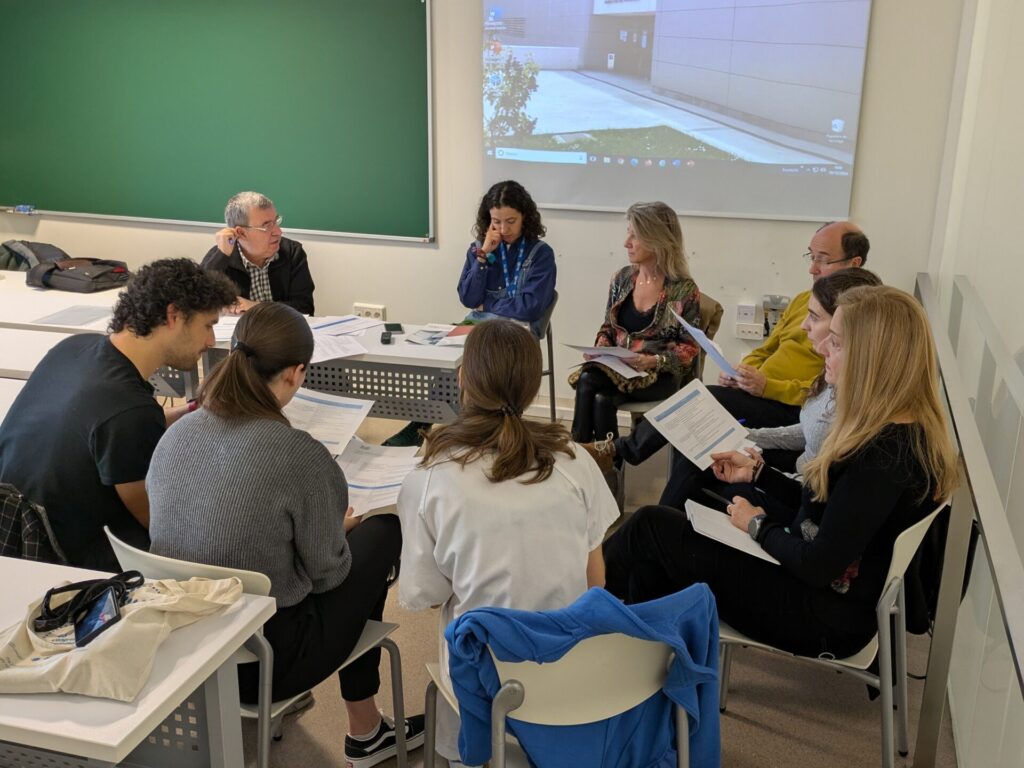
The incorporation of a sex and gender perspective into biomedical research is another of IBSAL’s areas of focus. In this area, training activities are organized for research staff to promote the integration of this perspective into the various phases of the research process.
Among these initiatives is the course ” Sex and Gender Perspective in Biomedical Research “ , which has been held in several editions.
And, as part of another initiative, a collaboration agreement is being finalized with the STEM Talent Girlprogram, which promotes scientific careers among girls.
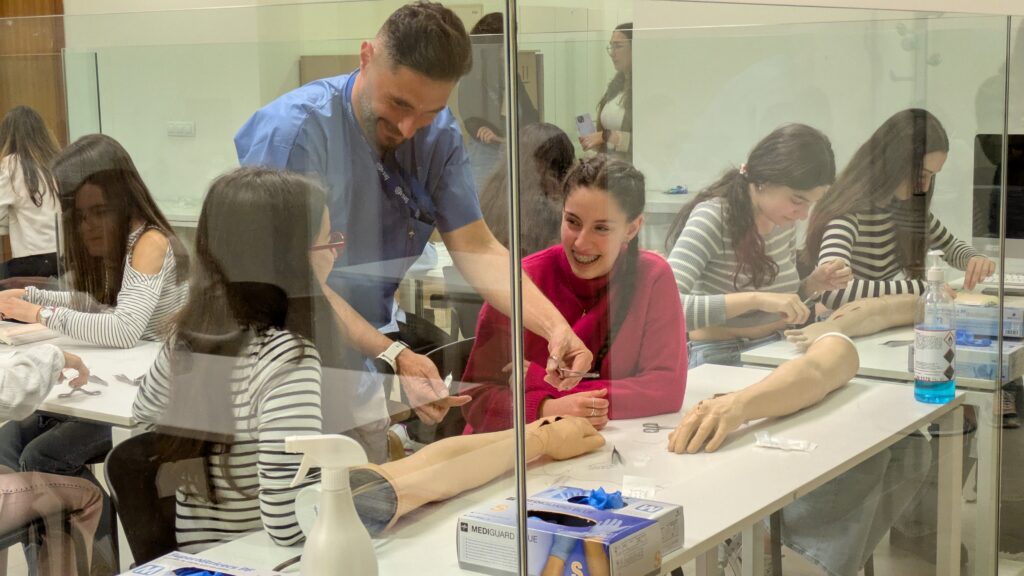
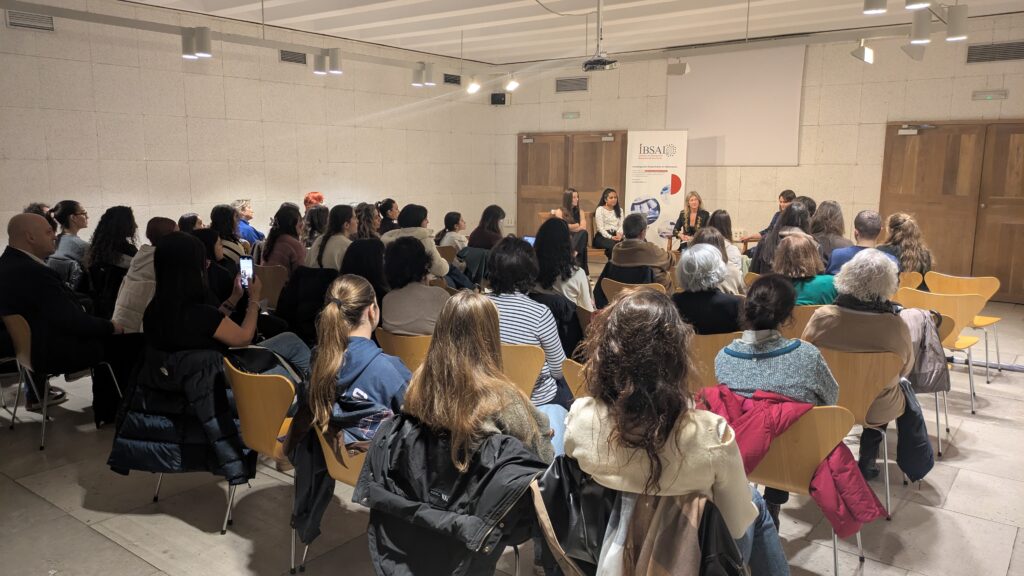
As part of this collaboration, various activities have been organized for this program, ranging from a suturing workshop at the University of Salamanca’s School of Medicine to a roundtable discussion on women’s careers in science held in observance of the International Day of Women and Girls in Science.
Internal Communication
IBSAL has various internal communication channels and tools designed to facilitate access to information, promote coordination among professionals, and keep research staff informed about the Institute’s main developments and activities.
These channels include:
- New Website and Research Portal
The website was designed from scratch to improve access to information of interest to research staff, including resources, calls for proposals, news, activities, and other content related to research at IBSAL.
In addition, the research portal has been launched, showcasing each research group’s publications, projects, clinical studies, theses, and innovations. Its mission is to compile, highlight, and make accessible all the results and advances achieved by the IBSAL scientific community.
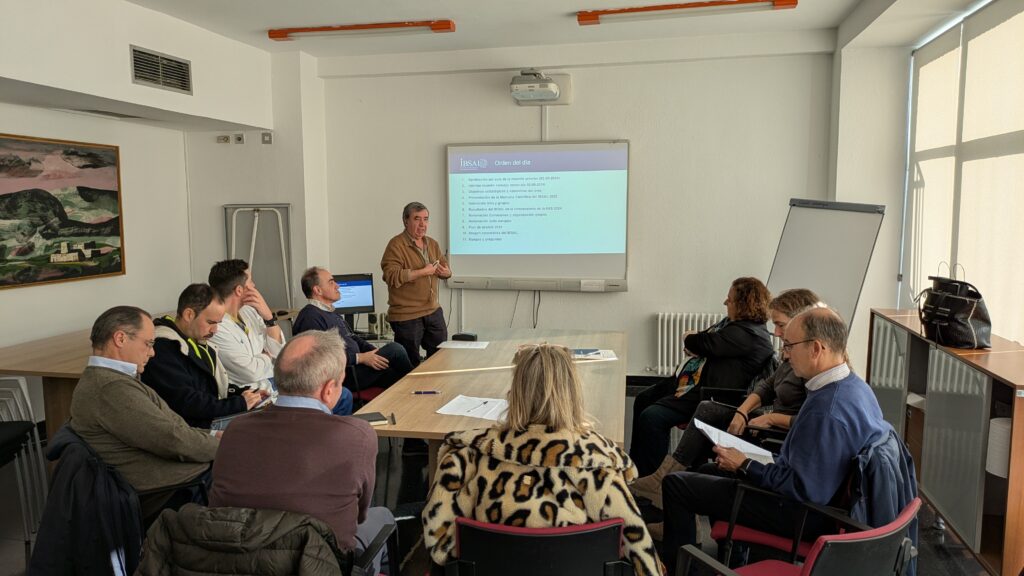
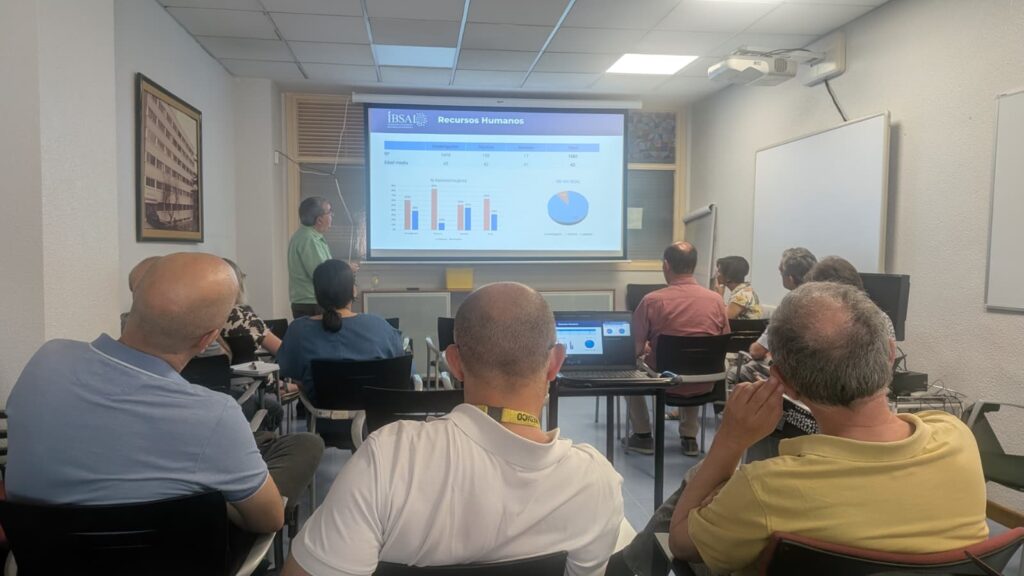
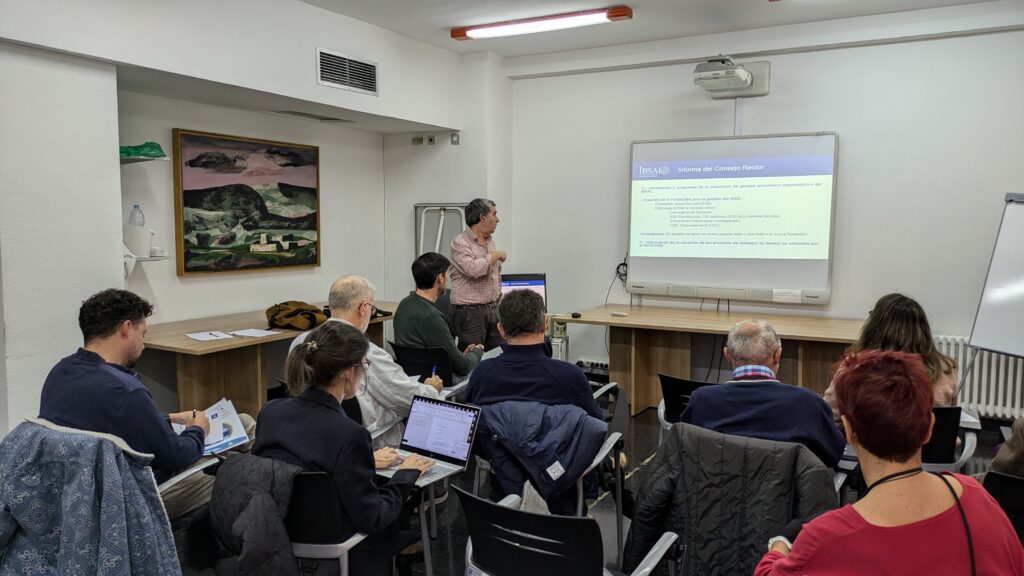
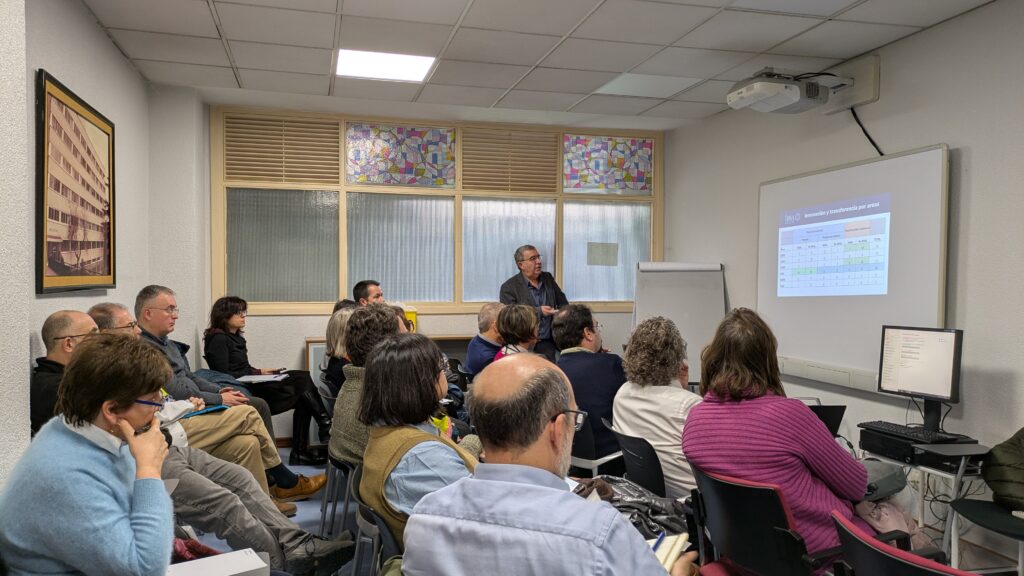
- Research Department Meetings
These meetings are held twice a year and are intended for principal investigators (PIs) and co-principal investigators (co-PIs) in each area.
In these reports, the scientific director shares updated information on the Institute’s activities and key indicators, as well as on the progress and results of each research area.
They also serve as a forum to promote coordination and the exchange of information among the various groups.
- IBSAL Scientific Conference
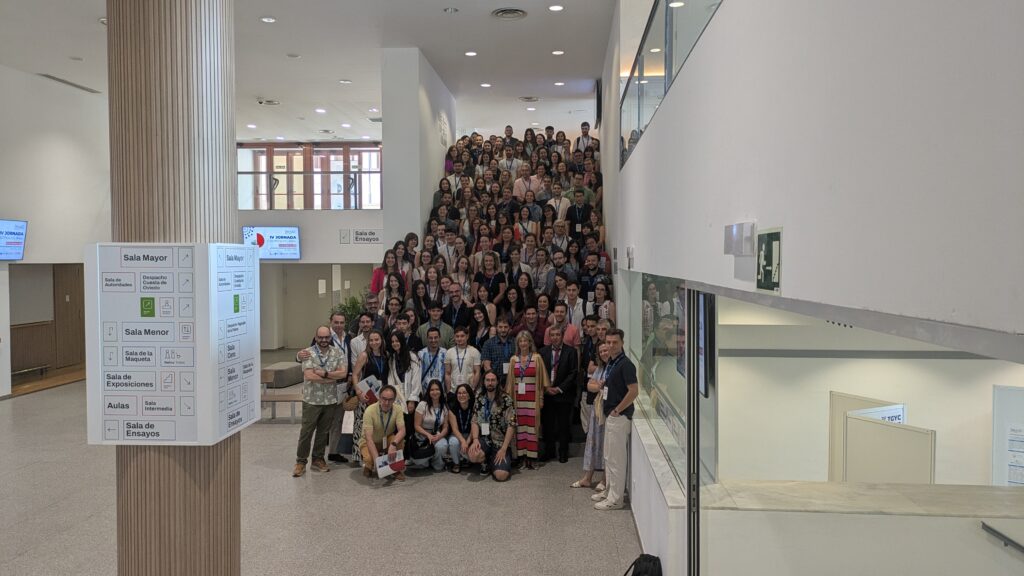
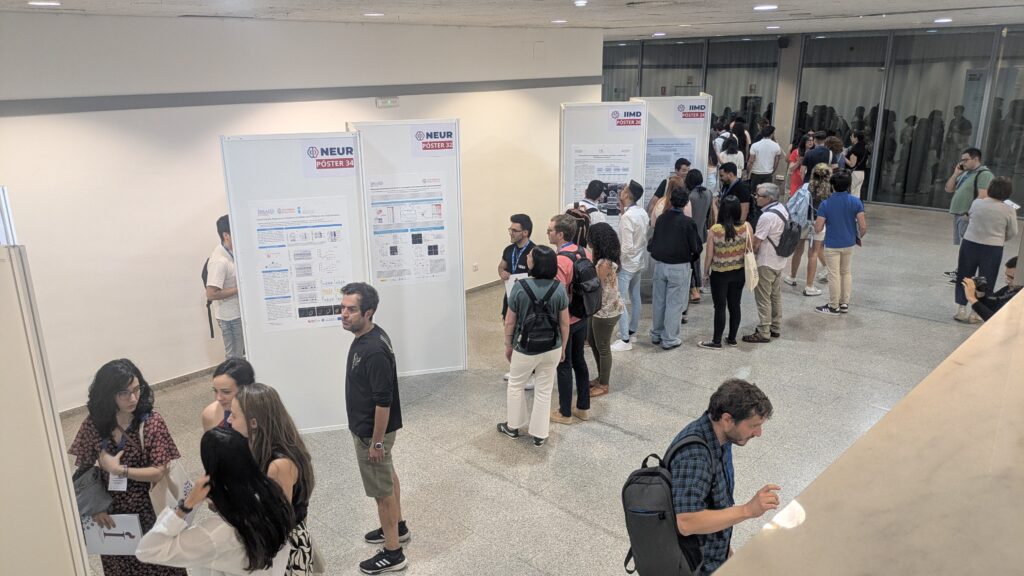
An annual scientific conference that brings together the Institute’s research staff to share key research advances and findings, promote the exchange of knowledge, and strengthen collaboration among groups and departments.
- Email Marketing
When research staff register with IBSAL, they choose the type of communications they wish to receive based on topic: general updates, projects, clinical trials, training, and the newsletter.
The newsletter is published every two weeks and features updates from the Institute, the latest news from the press, open job postings, events and activities, and links or documents that may be of interest. A separate biweekly newsletter is also sent out with information on open calls for national and international projects.
In this way, IBSAL combines digital channels, regular meetings, and in-person gatherings to ensure internal communication that is accessible, ongoing, and tailored to the needs of its staff.
Training
IBSAL promotes the continuing education of its professionals as an essential tool for advancing their professional development, keeping their knowledge up to date, and contributing to the improvement of the Institute’s research and management activities.
For this reason, IBSAL organizes and promotes courses and training sessions for its professionals. These can be found on the courses page.
The 2026 Training Plan outlines the main training initiatives planned for the year, with the goal of facilitating access to learning opportunities and promoting the professional development of the Institute’s staff.
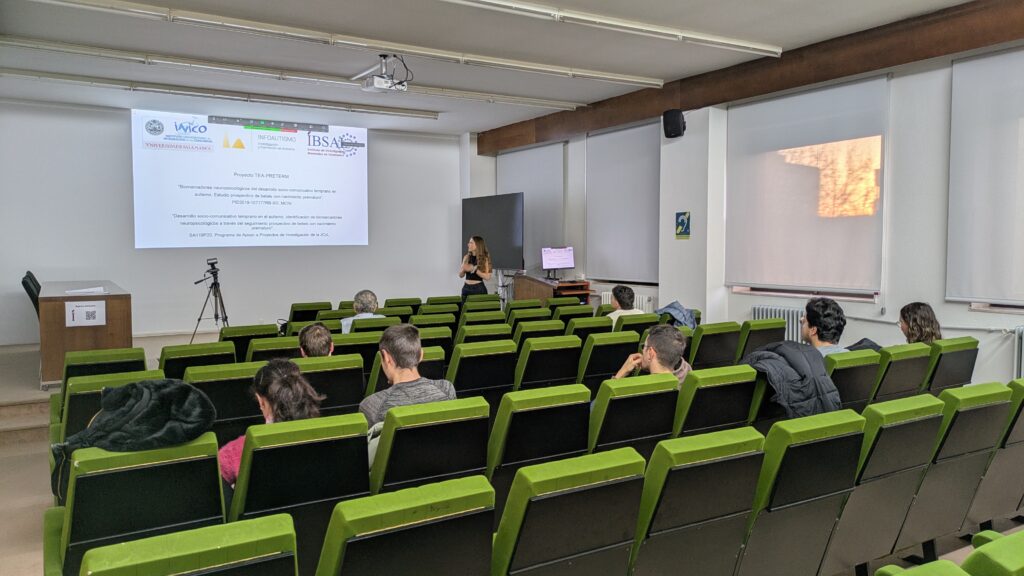
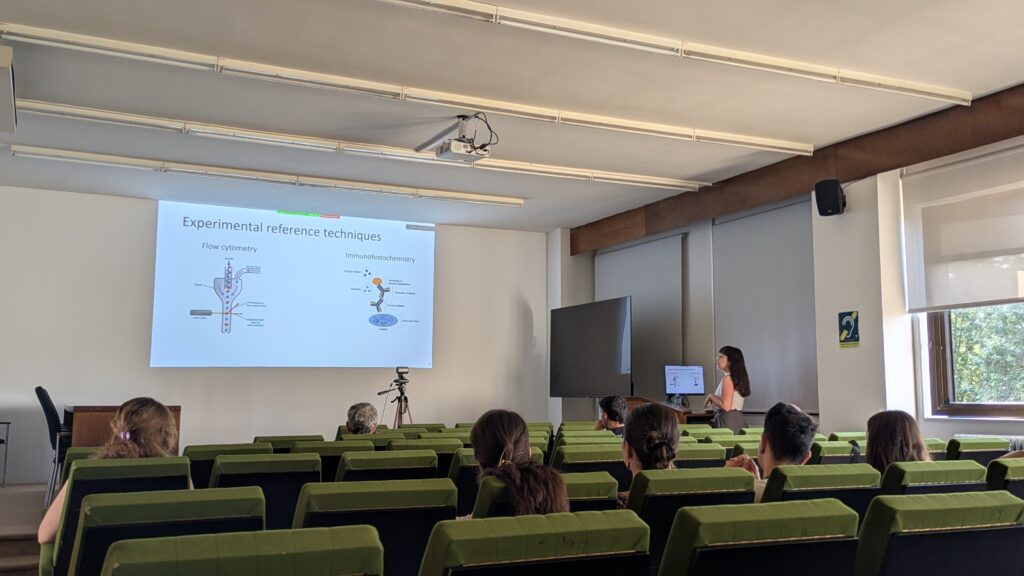
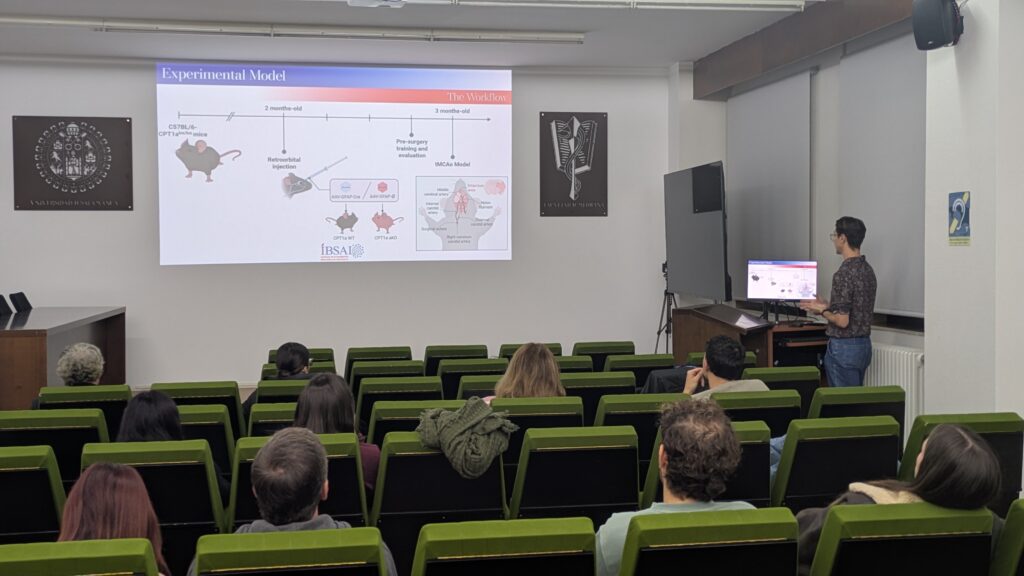
PreDoc Seminars are held every fifteen days, during which predoctoral researchers present their thesis work to the Institute’s research community. These sessions provide an opportunity to practice presenting and communicating scientific findings, as well as to receive feedback and suggestions that contribute to the development of their research.
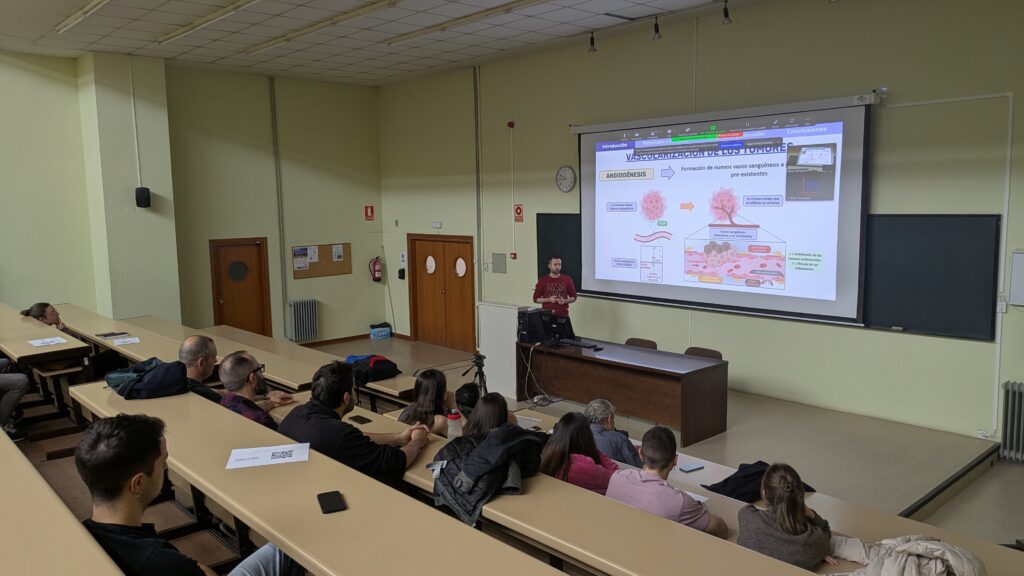
In addition, to facilitate access to resources and training activities, IBSAL provides its staff with a virtual campus, which allows them to take online training courses and access available content on a flexible schedule.
Professional Career
The race professional from the staff researcher labor from the IBSAL is find in phase from development, in the frame from it established in the Law 14/2007, of 3 July July, of Research Biomedical, amended by the Law 17/2022, from 5 from September. In in particular, the article 85.2 envisages the establishment of performance evaluation systems that enable the professional development of staff researcher, including mechanisms for promotion horizontal and vertical, just as the recognition of the length of service through the relevant criteria and additional components.
In this context, the IBSAL is working in the definition from a model that establish the Criteria for Career Advancement and Professional Recognition of Staff researcher, of accord with the regulatory regulatory applicable.
Mentoring
The IBSAL is promoting the Plan Mentoring Mentoring to support research staff in their professional development, facilitate the exchange of experiences, and support decision-making regarding their careerpath.
Et program offers a space for guidance and learning shared between experienced professionals and individuals who are in the early stages or undergoing a transition in their careers.
It is organized into a model structured that includes objectives individual, development from skills and follow-up from the process, having in account the a wide range of career opportunities in the field of research biomedical.
All the information can be found on the Mentoring page on the website. There, you can also access the Mentoring Plan:
Welcome Guide
The purpose of this handbook is to facilitate the onboarding of new employees at IBSAL by providing an introduction to the values that define the Institute, its organizational structure, the available support services, and the most common internal operating procedures.
This is a reference document that is updated periodically and provided to new employees at the Institute to guide them as they get started and help them adjust to the IBSAL work environment.
Researcher Advocate
The IBSAL Researcher Ombudsman is a position created to protect the rights of individuals participating in research activities and to foster a work environment based on equal opportunity, non-discrimination, and respect for ethical and regulatory principles.
Its work focuses particularly on supporting those in the early stages of their research careers, such as doctoral students and postdoctoral researchers with an initial degree of independence (R1 and R2 profiles), although its scope also includes technical staff and other professionals involved in research, regardless of their academic background.
Its main functions include mediating conflicts between researchers, supervisors, and the Institute; providing assistance and guidance in situations that may affect staff rights; monitoring compliance with applicable regulations; and reporting any irregularities detected to the appropriate authorities.
The Researcher Ombudsman carries out his or her duties independently and autonomously, without being subject to the authority of other bodies. His or her mission is to help ensure freedom of research, promote appropriate professional relationships, and facilitate conflict resolution, as well as to foster the continuous improvement of research quality at IBSAL.
It is currently awaiting approval by the Governing Council.
The appointment procedure, as well as the individual’s duties and responsibilities, can be found in the following document:
In addition, IBSAL has a whistleblower channel accessible through its website and available to all Institute staff. It allows for the reporting of potential irregularities, such as criminal, unethical, or improper conduct, within the organization itself, among its employees, or by third parties associated with the institution.
Participation of Research Staff in Decision-Making Bodies
IBSAL promotes the active participation of research staff in its governing bodies and decision-making forums, with the aim of ensuring that the various stages of a research career are represented and that their needs and perspectives are taken into account in the planning and implementation of the Institute’s activities.
Each research career track meets to elect its representatives and has its own internal communication channel.
R1 and R2 researchers have their own representatives, who participate in discussions, convey the opinions and concerns of their colleagues, and contribute to decision-making. For their part, R3 researchers are represented on various IBSAL committees, while R4 researchers serve on the Internal Scientific Committee (CCI), where they help define strategic priorities and promote scientific activity.
This representative structure facilitates communication between the various levels of the research career track and IBSAL’s governing bodies, promoting a management approach that is more participatory, transparent, and aligned with the needs of its research community.
Improving the Onboarding Process
IBSAL works to facilitate the onboarding of new staff and promote their integration into the Institute from the very beginning of their employment.
The Human Resources department meets with new hires to introduce them to the Institute, explain its structure and support services, and answer questions about how it operates. In addition, they send them relevant documentation to help them get started at the Institute and familiarize new staff with the procedures and resources available.
Within the research group itself, there is the role of co-PI (co-principal investigator), who coordinates the onboarding of new researchers into the group, ensures their integration into the team, introduces them to the available infrastructure and resources, and providing them with the necessary support to familiarize themselves with the research areas and the team.
New initiatives underway
Best Practices in Research
IBSAL promotes a culture of research based on scientific integrity, responsibility, transparency, and rigor. To this end, it has a Research Integrity Committee (link missing), which is responsible for ensuring compliance with ethical principles and best practices in the conduct of research, thereby helping to guarantee the quality and reliability of scientific results.
As part of this commitment, the Institute has developed a Guide to Best Practices in Research, which outlines the principles and recommendations that should guide scientific activity and serve as a reference for research staff in carrying out their work.
Open Science and Citizen Science
IBSAL promotes open science and citizen science as key elements for bringing biomedical research closer to society, fostering citizen participation, and facilitating access to scientific knowledge. Through various initiatives, the Institute works to promote research that is more accessible, participatory, and connected to the needs and concerns of the public.
- IBSAL Citizens' Commission
A commission that incorporates the public’s voice into IBSAL’s work and scientific decision-making. It is composed of associations representing various segments of society.
- Citizen Participation Web Form
A channel for the public to submit their proposals, interests, and initiatives related to scientific research and outreach, thereby facilitating collaboration with the Institute.
Access the online form.
- Calls for Applications for Grants Under the IBSAL Grant Program
IBSAL publishes an annual Grant Program, which includes several calls for proposals. Among these are a grant to promote citizen participation in IBSAL’s research, aimed at citizen associations, and a grant for open-access publishing, aimed at the Institute’s research staff.
Click here to view outreach activities with community organizations and here for research calls for proposals.
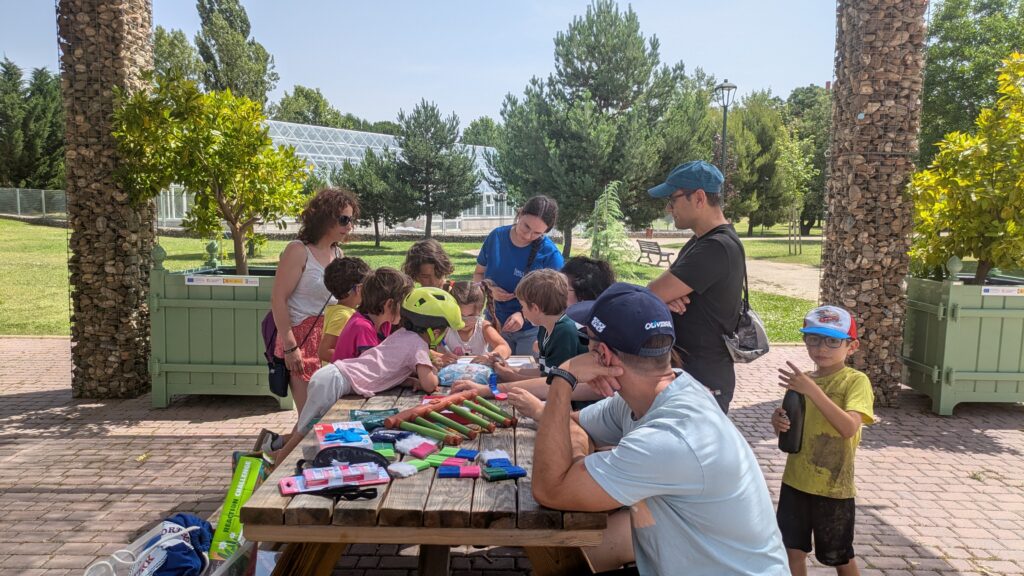
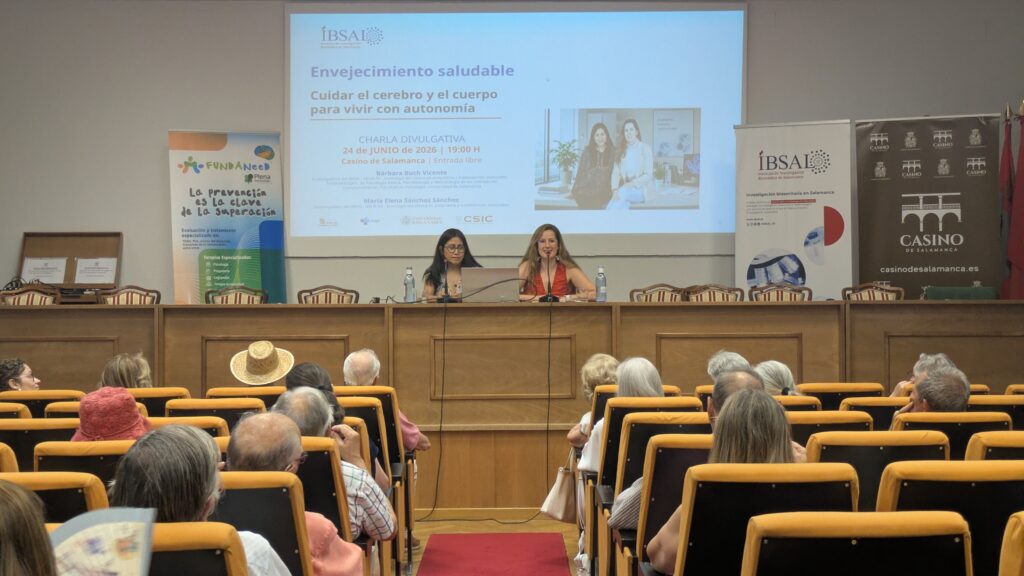
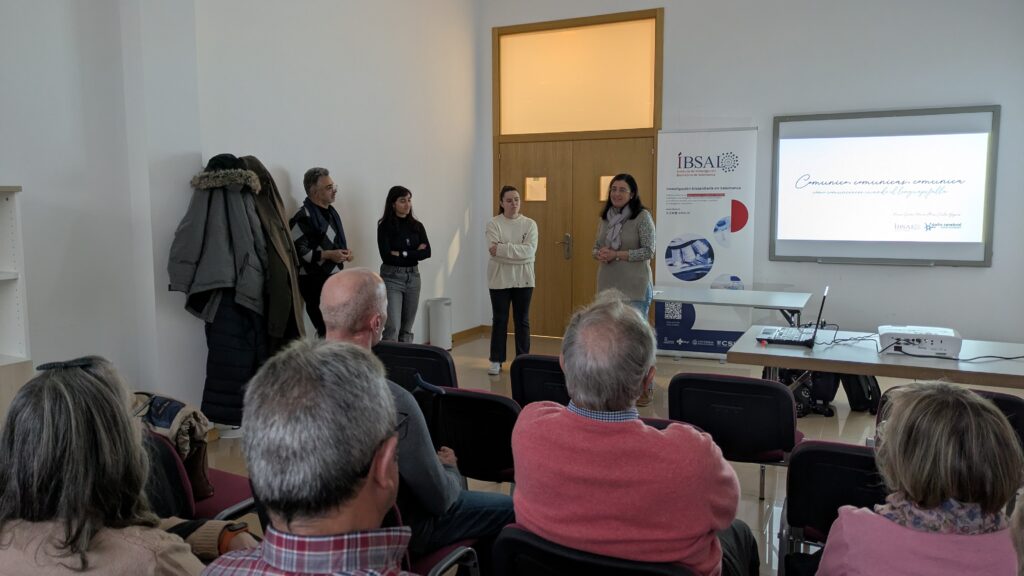
Here are some of the activities carried out with civic organizations as a result of the IBSAL call for grants to support citizen participation in research:
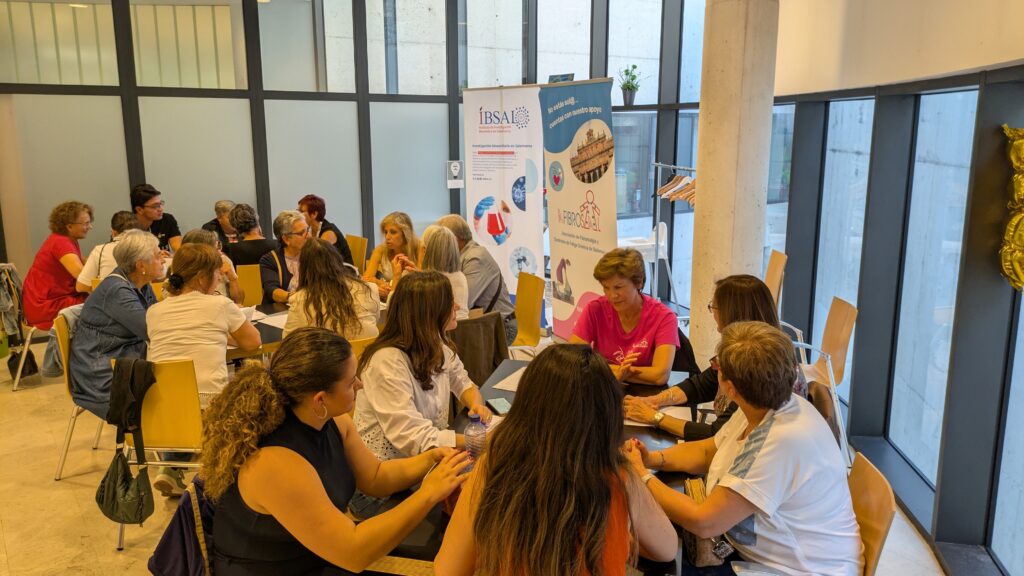
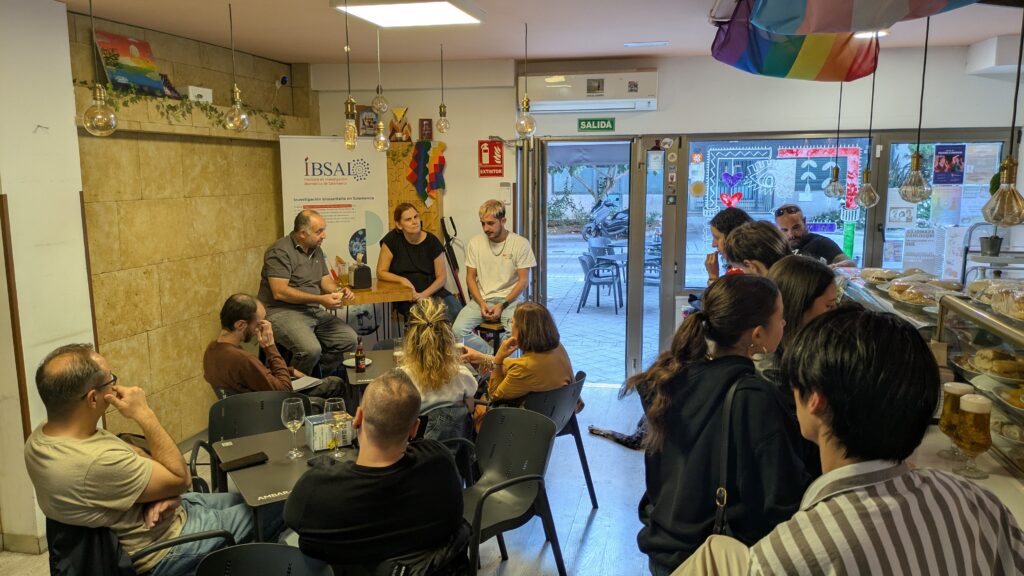
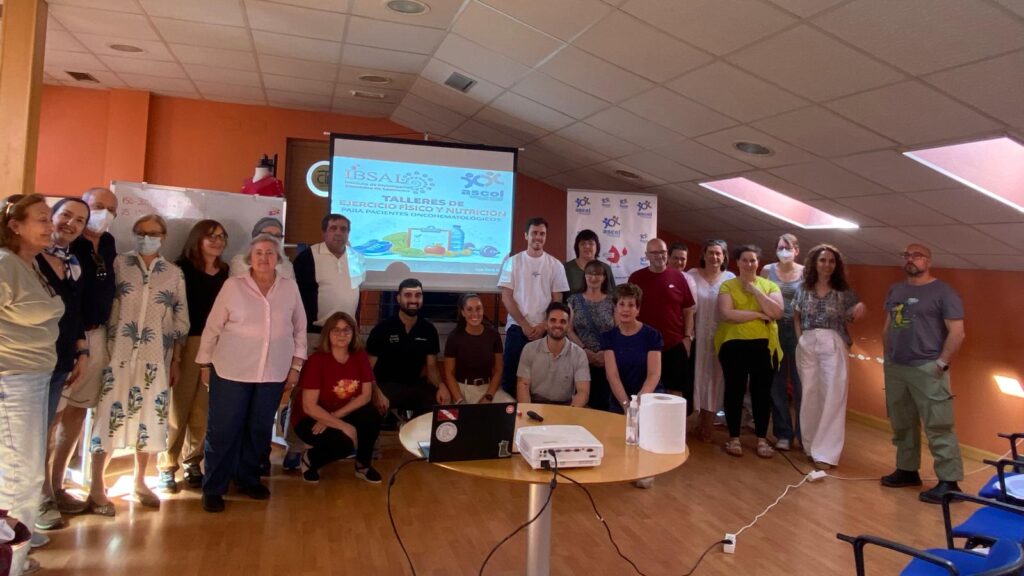
- IBSAL Zenodo Community
An open-access repository designed to collect and highlight the scientific results and resources shared by the Institute, promoting their dissemination, accessibility, and reuse. Access the IBSAL Zenodo.