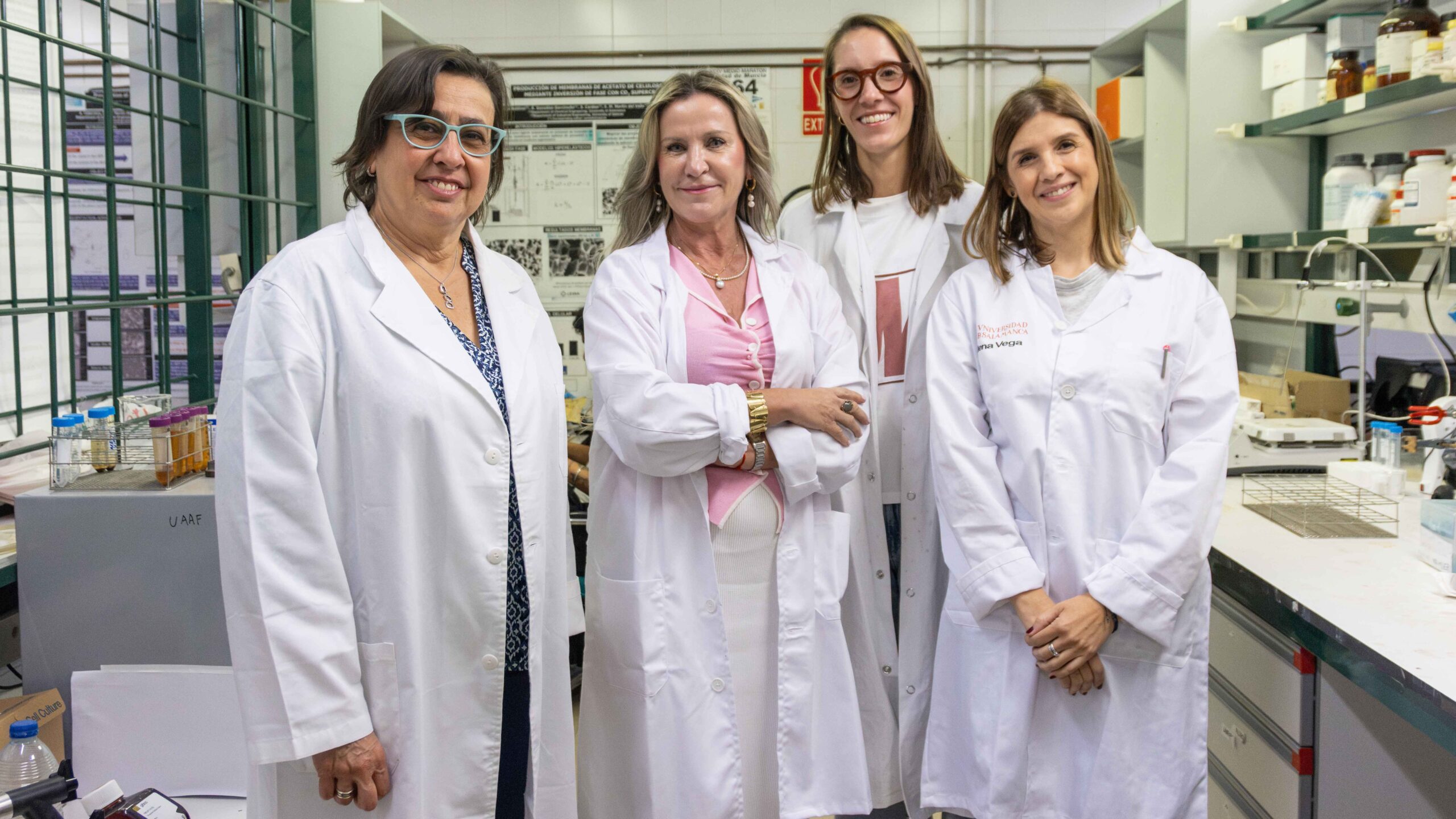
The study, led by researcher Esther del Olmo and published in the high-impact journal *Journal of Ethnopharmacology*, reveals that compounds extracted from the blue thistle could contribute to the development of new therapies for these parasitic diseases, which have a major global impact and affect millions of people worldwide.
This is the first comprehensive analysis of this plant, whose beauty inspired the researcher, who has discovered previously unknown molecules and highlights its value as a natural resource for the development of safer and more effective future drugs.
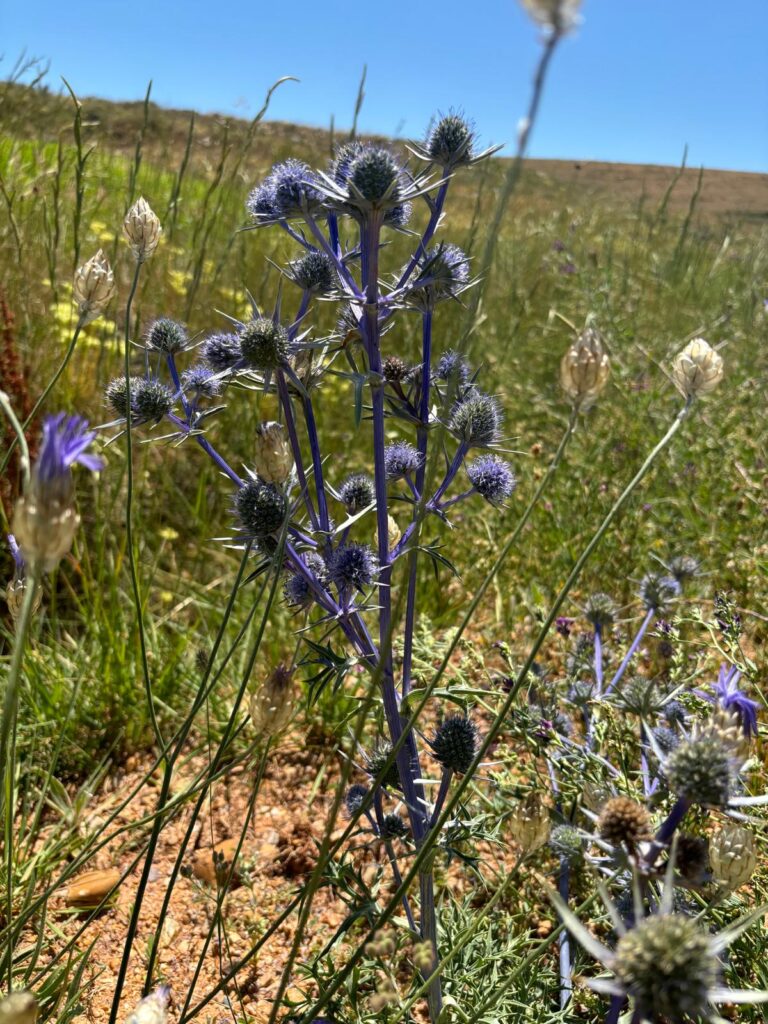
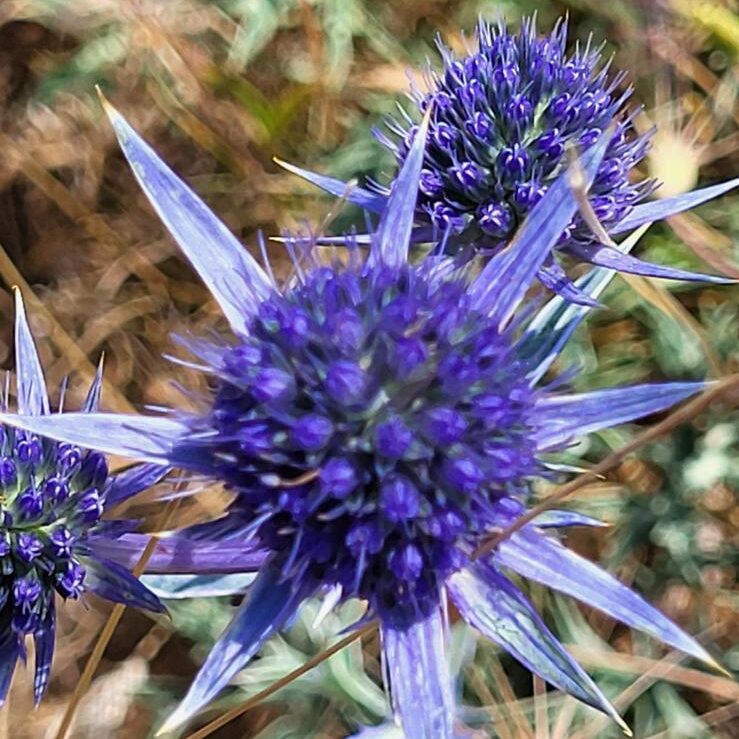
A study led by the Salamanca Institute for Biomedical Research (IBSAL) and the University of Salamanca (USAL) has demonstrated the remarkable antiparasitic activity of Eryngium bourgatii, known as blue thistle or Magdalena thistle, against the parasites that cause visceral leishmaniasis and Chagas disease. The research, published in the *Journal of Ethnopharmacology*, represents the most comprehensive analysis to date of this species and opens up new possibilities for the development of future naturally derived drugs.
Parasitic diseases continue to pose a serious public health problem. According to the World Health Organization, between 700,000 and 1 million people contract cutaneous leishmaniasis annually , while approximately 70,000 are infected with visceral leishmaniasis (VL), the most aggressive form of the disease. If not treated promptly, VL can be fatal and causes about 30,000 deaths annually. Leishmaniasis is endemic in 98 countries and poses a risk to approximately 350 million people worldwide. Similarly, between 6 and 7 million people are infected with Chagas disease, which causes approximately 10,000 deaths per year. Most of those affected are in Latin America, but migration has spread the disease to other parts of the world, such as the United States and Europe.
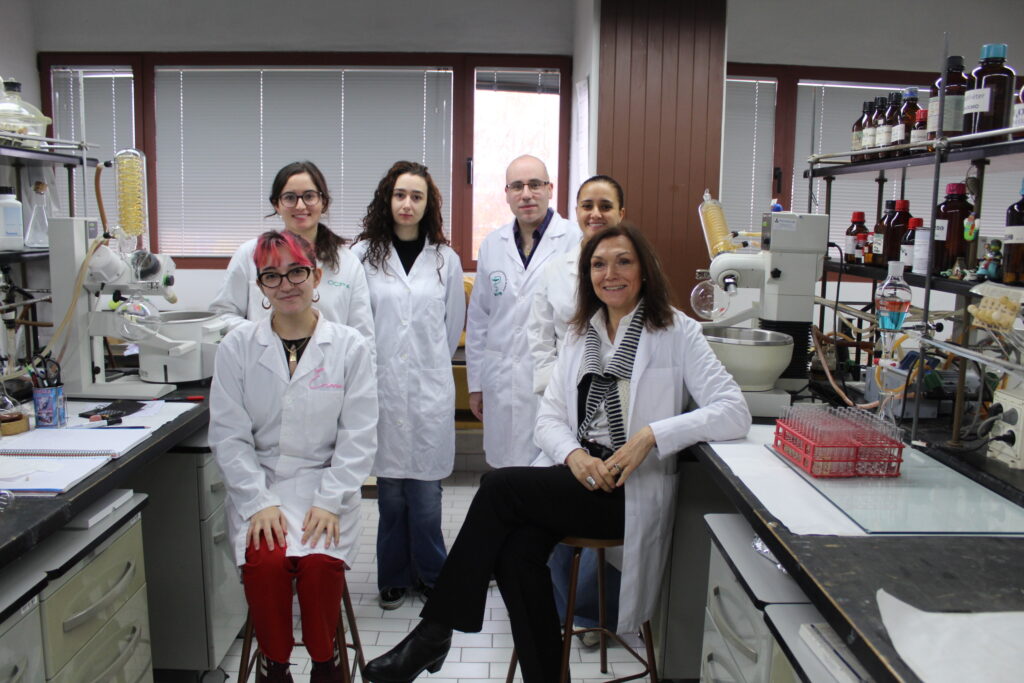
“These diseases remain a global challenge, and we need new therapeutic options,” says principal investigator Esther del Olmo, coordinator of the Pharmaceutical Chemistry Research Group at CIETUS at USAL and a member of the DOMOBIO (Design and Synthesis of Bioactive Molecules) at IBSAL. “The drugs currently available to treat these diseases are very old and highly toxic. Our results identify natural compounds with excellent activity that could serve as a good starting point for the development of safer and more effective molecules,” she adds.
A research project that began with an unexpected discovery
The study’s origins date back to the summer of 2020, in the midst of the pandemic, when travel restrictions led Del Olmo to spend more time than usual in his hometown in northwestern Burgos. During a hike through Peña Amaya, a limestone landscape at an altitude of nearly 1,400 meters, the plant’s beauty caught his attention.
“What could something so beautiful be hiding?” he recalls. “My initial goal wasn’t to study the blue thistle, but its beauty made me take notice of it. When I began reviewing the literature, I realized that it hadn’t been studied much, except for a few very old studies,” he adds, noting further, “the studies indicated the presence of one of the compounds I was working on at the time, falcarinol, which had not been tested as an antiparasitic.”
That curiosity—and that coincidence—led to a long-term project spanning several years, which included the careful collection of roots and aerial parts, the isolation of compounds using advanced chromatography techniques, and their evaluation against Leishmania donovani, Trypanosoma cruzi, and Plasmodium falciparum—the parasites that cause leishmaniasis, Chagas disease, and malaria, respectively.
Results: Activity Against Leishmaniasis and Chagas Disease
The team identified 41 natural compounds and isolated and purified 13 of them , including several falcarinol-type polyacetylenes known for their bioactive potential. Of particular note is the isolation of a compound identified as furanone 12, which is very abundant in the roots and whose chemical structure was corrected based on the only reference publications, which date back to the 1970s.
“We have identified compounds that had not been described before and corrected the structure of a molecule that had been reported incorrectly for decades. From a chemical standpoint, this study is also very important,” explains Del Olmo.
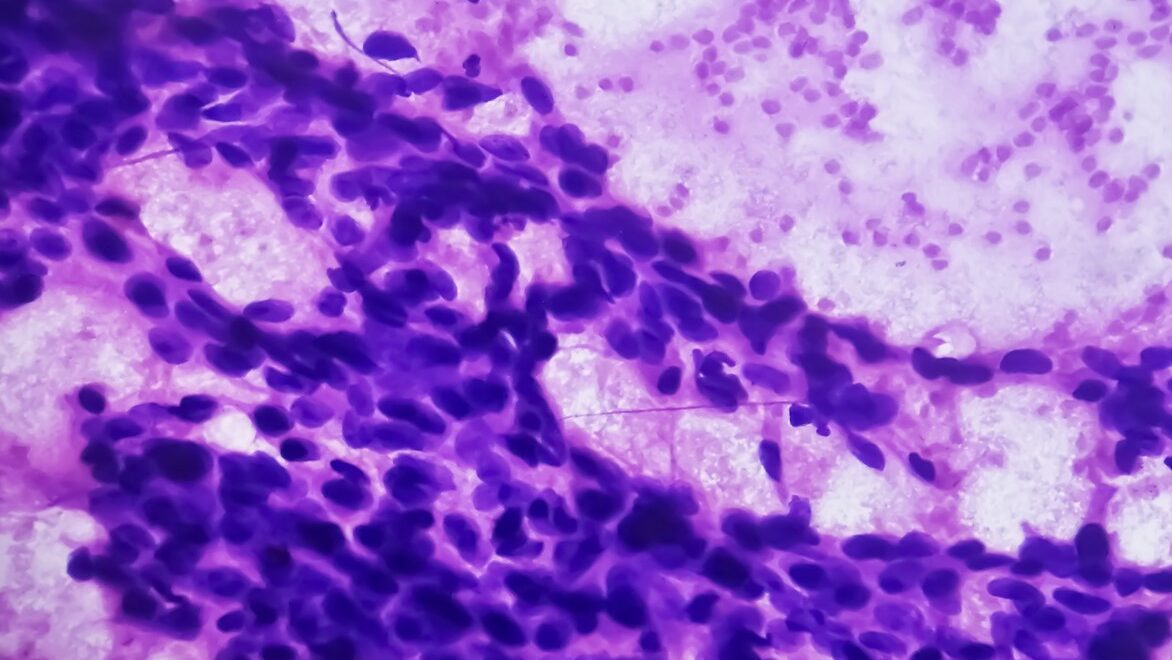
In in vitro assays, extracts and fractions of the plant showed a high inhibitory capacity against L. donovani and T. cruzi, while activity against malaria was low. Some compounds, such as furanone 12 and falcarinol, showed potency comparable to reference drugs for leishmaniasis and significant activity against Chagas disease.
Beyond the laboratory results, the study also represents a significant advance in our understanding of Eryngium bourgatii, a species that has been scarcely studied from a scientific perspective. Del Olmo notes that, although there are isolated ethnobotanical references —“in Catalonia, the roots are used in decoctions to purify the blood and as an antidote for snake bites, and in northern Morocco, they are used to alleviate postpartum symptoms, while the aerial parts are used in decoctions to treat digestive disorders”—the plant had not been studied in depth or subjected to antiparasitic trials. In fact, in Castile and León—the region where the blue thistle studied in this research was collected—its presence is associated almost exclusively with ornamental and decorative uses.
A long history and a well-established international partnership
The research benefited from international collaboration with Panama’s Institute for Scientific Research and High-Tech Services( INDICASAT-AIP), where the antiparasitic trials were conducted. “I have been collaborating with colleagues in Panama for nearly two decades, and specifically with researchers at INDICASAT for the past 8 years. They specialize in testing for Leishmania, malaria, and Chagas disease, and we work together to provide both natural and synthetic compounds for them to test,” says Del Olmo.
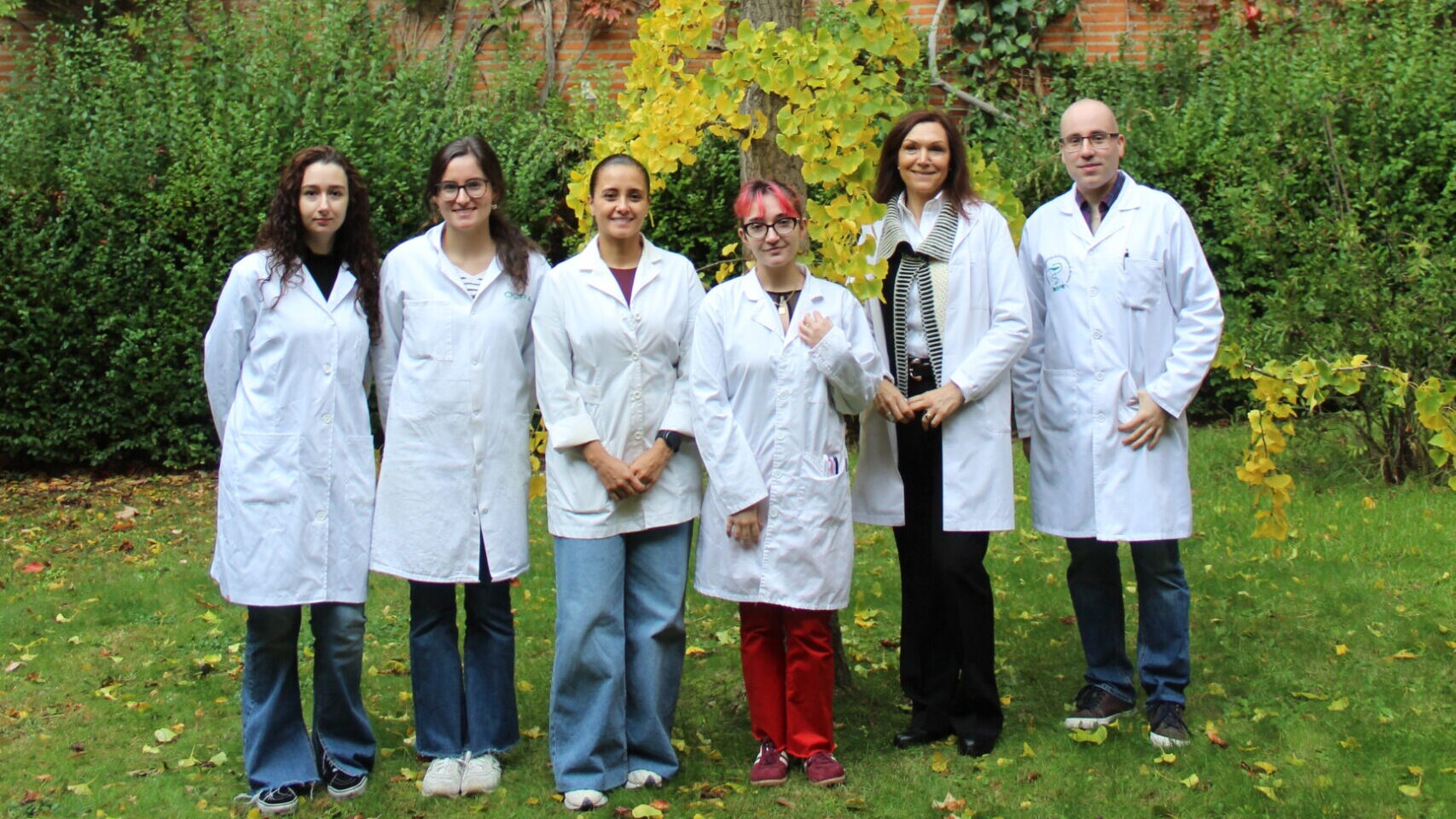
The study also highlights the key role played by researchers from the University of Salamanca. “The contributions of Dr. Alfonso Alejo-Armijo to the phytochemical study of the plant, as well as those of Dr. López-Pérez to the computational studies of compound 12, have been fundamental to the development of the project,” he emphasizes. “I would like to express my sincere gratitude to my friends Feli and Manolo for organizing the field trip that led me to discover the blue thistle, and for their help in collecting the plant.”
The Importance of Observing Nature in a Globalized World
Del Olmo insists that reviving research into natural products is essential: “Today, we are looking for therapeutic options that are compatible with environmental conservation. This type of research offers new alternatives and helps us better understand what our biodiversity has to offer.”
Although these are preliminary results, the researcher believes they represent an important step toward new therapeutic strategies: “The experiments are in vitro; the next step would be studies in animal models. It’s not easy, but it’s a promising start. We need new tools to combat these diseases.”
This development takes on special significance in a global context where vectors are spreading and parasitic diseases—which were once far away—are coming closer. “People are moving around more, and we’re seeing these problems closer to home more and more. We have to be prepared, ”Del Olmo concludes.
Article reference:
Jennifer de la Vega, Alfonso Alejo-Armijo, Laura M. Pineda, José Luis López-Pérez, Michelle G. Ng, Horacio Larqué, Miriam Hernandez, Carmenza Spadafora, Esther del Olmo. Antiparasitic activity of Eryngium bourgatii Gouan: Fractionation and isolation of constituents from roots and aerial parts. Journal of Ethnopharmacology, Volume 348, 2025, 119840. https://doi.org/10.1016/j.jep.2025.119840
IBSAL
The Institute of Biomedical Research of Salamanca (IBSAL) was established on March 21, 2011 through an agreement signed by the Ministry of Health of the Regional Government of Castilla y León and the University of Salamanca, which was joined in February 2012 by the Spanish National Research Council (CSIC). It integrates and coordinates the biosanitary research carried out at the University Hospital of Salamanca, the Primary Care Management of Salamanca and the biosanitary area of the University of Salamanca, including the Institute of Neurosciences of Castilla y León and the Institute of Molecular and Cellular Biology of Cancer.
Its scientific activity is organized into six areas, comprising a total of 88 research groups: Cancer (23 groups); Cardiovascular, Renal, and Respiratory (11); Neuroscience (12); Infectious, Inflammatory, and Metabolic Diseases (20); Gene and Cell Therapy and Transplants (6); and Primary Care, Public Health, and Pharmacology (16).
For more information and contact details:
comunicacion@ibsal.es