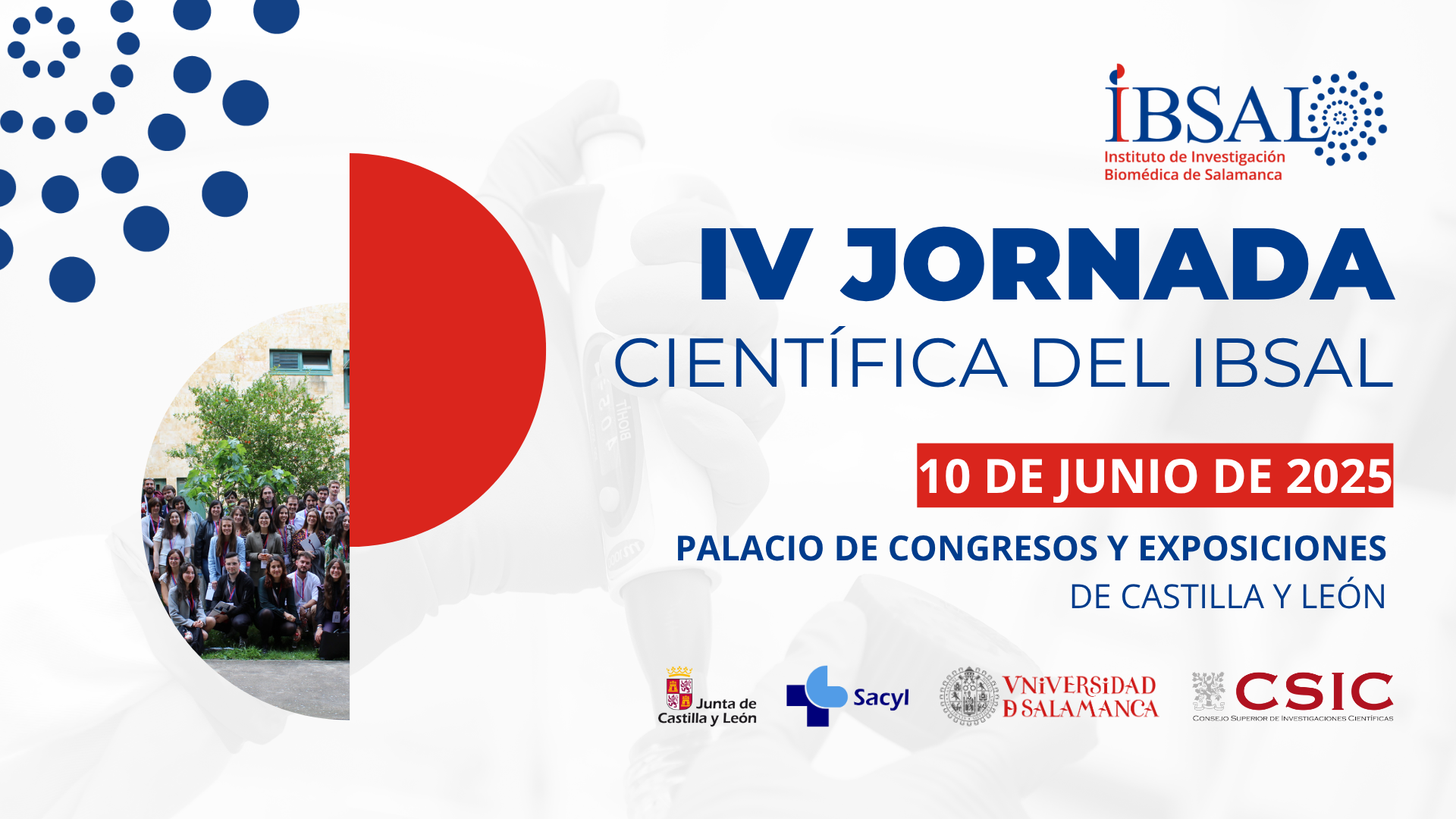
At the meeting, which will take place on June 10 at the Castilla y León Exhibition and Convention Center, the annual report and the main support platforms of the Salamanca Institute of Biomedical Research will be presented, and the national open science strategy will be discussed.
The young researchers who will participate in this important scientific event have submitted 73 papers, eight of which will be presented as oral presentations and another 40 as posters.
Nearly 300 researchers from the Salamanca Biomedical Research Institute (IBSAL)—the Department of Health of the Regional Government of Castile and León, the University of Salamanca (USAL), and the Spanish National Research Council (CSIC)—will participate in the 4th Scientific Conference organized by the institute to advance scientific excellence, promote communication, facilitate interactions and synergies, and publicize the work being carried out by the institute’s trainee researchers.
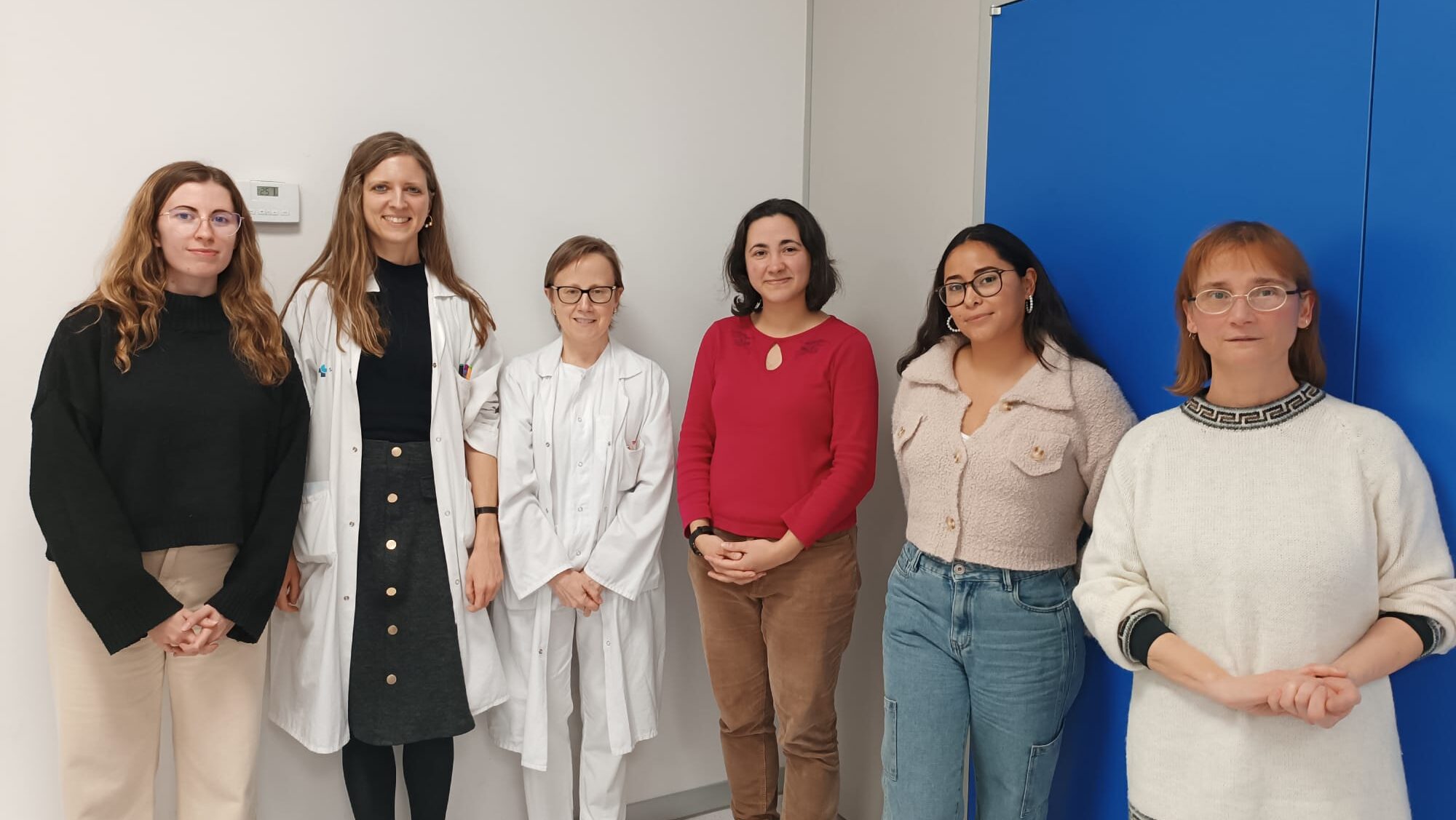
This fourth edition, to be held on June 10 at the Castilla y León Convention and Exhibition Center, will begin with the Young Researchers’ Conference and the presentation of the eight projects selected from among the 73 submitted by the Institute’s graduate students. Another 40 will be presented in poster format. Following a welcome address by IBSAL’s scientific director, Luis García Ortiz, Martín Gómez Redondo will introduce the predoctoral community and will also moderate the oral presentations by his colleagues.
Alba Torres Valle, Enrique Jiménez Madrona, María Martínez Fernández, Joana del Valle Mercado Hernández, Lucía Fernández Frías, Araceli Sama Barroso, Yoan Reynaldo Torres Cruz, and Sara María Vicente Gabriel will be responsible for presenting their work, which addresses a variety of highly topical scientific issues within each of IBSAL’s research areas: Cancer; Cardiovascular, Renal, and Respiratory Diseases; Neuroscience; Infectious, Inflammatory, and Metabolic Diseases; Gene and Cell Therapy and Transplants; and Primary Care, Public Health, and Pharmacology.
This will be followed by the official opening of the Scientific Conference, at which Sonia Martín Pérez, Director General of Health Planning, Research, and Innovation for the Regional Government of Castile and León, and José Miguel Mateos Roco, Vice Rector for Research and Technology Transfer at the University of Salamanca, will join Luis García Ortiz, who will present the Institute’s 2024 annual report and outline the significant challenges on the horizon.
The comprehensive program also includes presentations on some of the most notable national projects coordinated by IBSAL, such as the Diagnostic and Therapeutic Approach to Renal Fragility; the UMBRELLA-SUMMA Legacy project to improve the management of myelodysplastic syndromes through the use of artificial intelligence and patient experience; and the clinical trial on CARTemis-1 to treat patients with relapsed multiple myeloma. Similarly, the conference will be used to showcase the Institute’s support platforms, including those for Clinical Epidemiology and Methodology, REDCap, Bioinformatics, Clinical Trials, Biomodels, and Biobanks.
The planned agenda is rounded out with a roundtable discussion on the National Science Strategy and Research Evaluation moderated by Ángeles Almeida, deputy scientific director of IBSAL, with the participation of Pilar Rico Castro, head of the Open Science Unit at FECYT; Paula Adam Bernad, Director of the Research Laboratory at the Catalan Agency for Health Quality and Assessment (AQuAS); and Pilar Gayoso Diz, Deputy Director General at the Carlos III Health Institute, who will also close this 4th IBSAL Scientific Conference.
IBSAL
The Institute of Biomedical Research of Salamanca (IBSAL) was established on March 21, 2011 through an agreement signed by the Ministry of Health of the Regional Government of Castilla y León and the University of Salamanca, which was joined in February 2012 by the Spanish National Research Council (CSIC). It integrates and coordinates the biosanitary research carried out at the University Hospital of Salamanca, the Primary Care Management of Salamanca and the biosanitary area of the University of Salamanca, including the Institute of Neurosciences of Castilla y León and the Institute of Molecular and Cellular Biology of Cancer.
Its scientific activity is organized into six areas, comprising a total of 85 research groups: Cancer (23 groups); Cardiovascular, Renal, and Respiratory (11); Neuroscience (12); Infectious, Inflammatory, and Metabolic Diseases (19); Gene and Cell Therapy and Transplants (6); and Primary Care, Public Health, and Pharmacology (14).
For more information and contact details:
comunicacion@ibsal.es