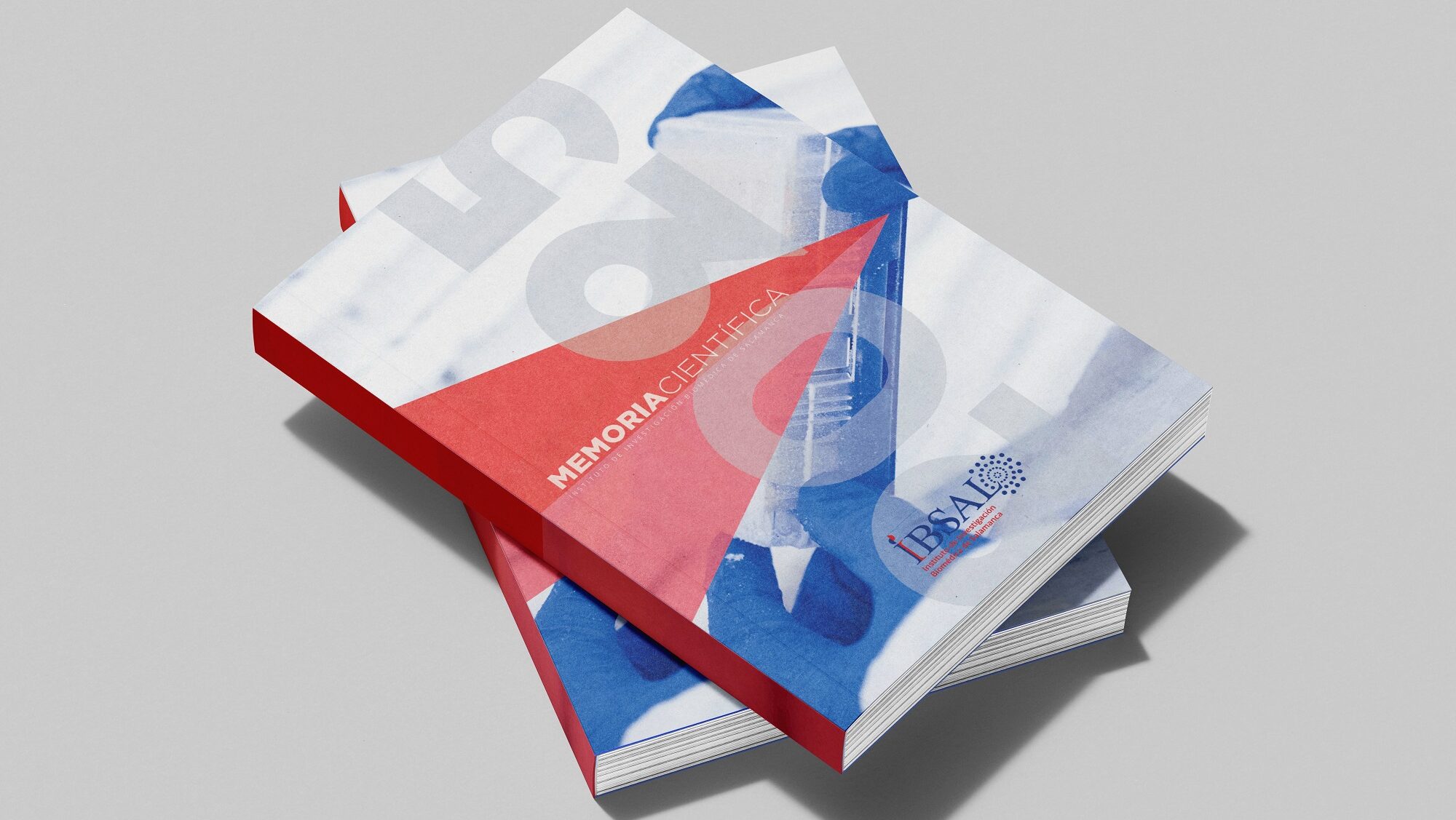
The Salamanca Institute for Biomedical Research (IBSAL) has published its 2025 Scientific Report, a compilation of the Institute’s key findings and activities over the past year. The document provides an overview of the scientific, educational, innovative, and outreach activities of its 88 research groups and more than 1,500 professionals.
2025 was a year marked by the transition of IBSAL’s management structure to the Salamanca Biomedical Research Foundation (FIBSAL), a step aimed at strengthening and continuing to drive the Institute’s growth. During this period, its research groups published 742 scientific articles and reviews, of which 457 appeared in first-quartile journals and 234 in the first decile. In addition, 102 new research projects and 119 new clinical studies were launched, and 60 industrial property registrations and 29 intellectual property registrations were obtained.
The ability to secure funding continued to be one of the main indicators of the Institute’s activity. In 2025, IBSAL raised more than 15.4 million euros for research, derived from competitive and institutional grants, clinical trials, R&D&I contracts, service provision, and other contributions.
The year was also marked by efforts to strengthen research support structures. IBSAL expanded its research support platforms to 12 and achieved success rates of 57% for projects and 50% for human resources under the Strategic Action in Health 2025 initiative, with support from the Institute’s Scientific Support Unit.
Collaboration and the exchange of knowledge were other key themes of the year. The 4th IBSAL Scientific Conference brought together around 300 researchers to share findings and foster new synergies, while in October, IBSAL hosted the Third Conference of the ISCIII Platforms Supporting R&D&I in Biomedicine and Health Sciences in Salamanca, which brought together more than 500 professionals.
The commitment to public outreach and citizen participation continued to grow in 2025, with the consolidation of the IBSAL Citizens’ Commission as a forum for participation and collaboration in research, as well as the promotion of new activities in partnership with civic associations and groups.
The 2025 Scientific Report also details the activities of IBSAL’s six research areas, as well as information on its research groups, projects, clinical studies, publications, innovation, human resources, training, and initiatives in responsible research and innovation.
The IBSAL 2025 Scientific Report is now available for review.