- The study evaluated nearly 1,000 patients and achieved a diagnostic accuracy of 70% for platelet disorders, a very high rate for rare diseases.
- The Spanish Group on Congenital Platelet Disorders (GEAPC) has received this award, the most prestigious in this field.
- The GEAPC has diagnosed nearly 500 people in Spain with congenital platelet disorders, which can cause bleeding ranging from mild to life-threatening, as well as other serious clinical complications (kidney disease, neuropathy, immunodeficiencies) or hematologic malignancies, which greatly impairs their quality of life.
- The project, a pioneer in its field at the European level, has identified more than 45 diseases and described more than 200 genetic variants, many of which were previously unknown.
- The research also combines genetic analysis with artificial intelligence to predict the progression and severity of bleeding or other complications, and to take appropriate action.
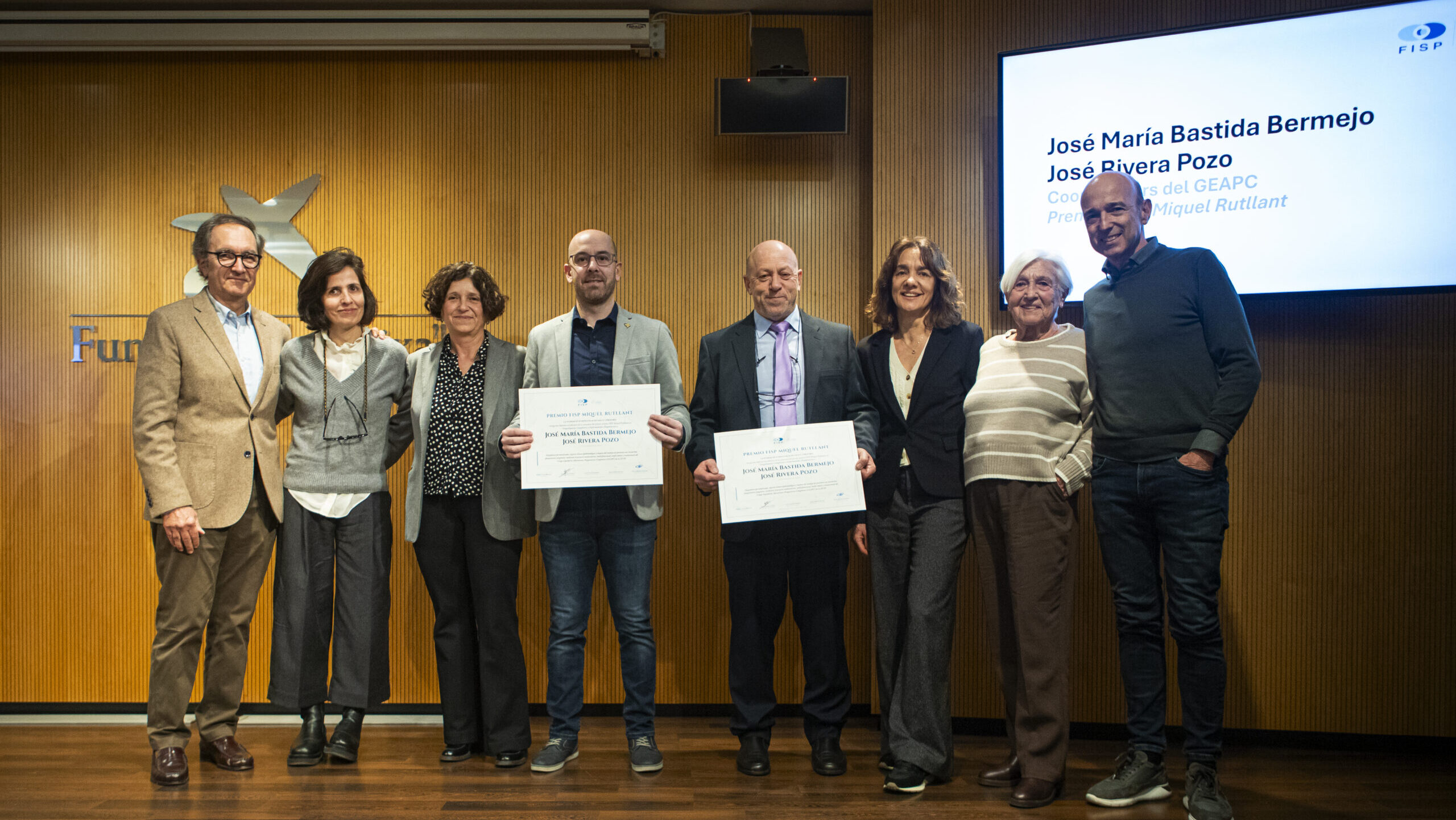
The Spanish Group on Congenital Platelet Disorders (GEAPC), a working group within the hemorrhagic pathology division of the Spanish Society of Thrombosis and Hemostasis, has won the first edition of the FISP “Miquel Rutllant” Award for a project spanning more than 17 years that has made it possible to diagnose very rare and previously unknown platelet disorders.
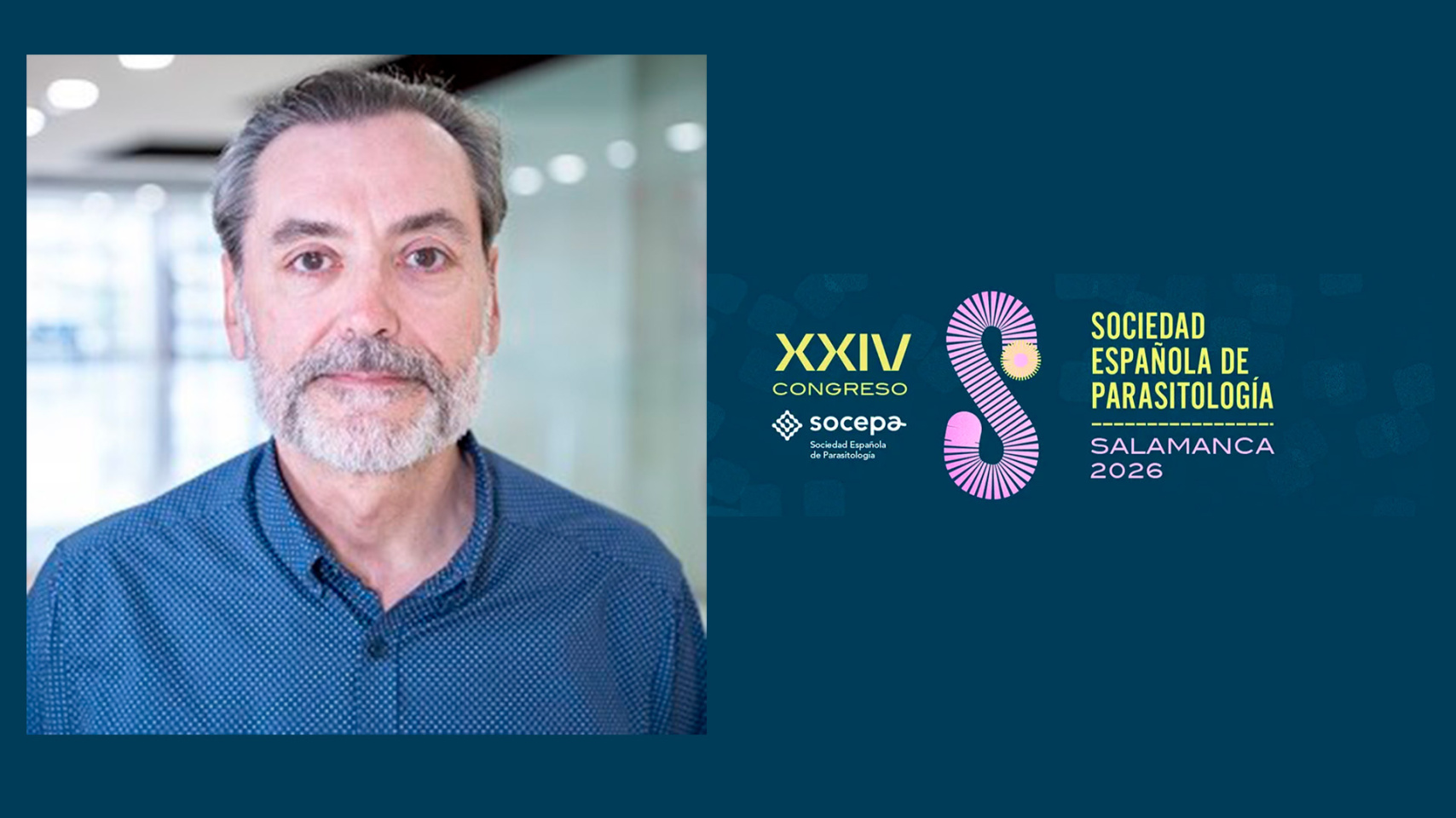
The award, worth 30,000 euros, is the largest of its kind and has been presented to Dr. José María Bastida Bermejo —a researcherat IBSAL, USAL, and CAUSA— and Dr. José Rivera Pozo —a researcherat CIBERER, the IMIB, and the University ofMurcia—coordinators of the GEAPC—for their application of various technologies for platelet function assessment and genetic analysis, as well as artificial intelligence, to improve the diagnosis and treatment of congenital platelet disorders (CPDs).
These rare, hereditary diseases affect the formation or function of platelets, which are the cells responsible for clotting blood to stop bleeding, among other functions. Affected individuals experience recurrent bleeding, very severe menstrual problems, and a high risk of complications during surgery or childbirth. In addition, they may suffer from severe syndromes affecting other organs and tissues, or develop hematologic neoplasms. Diagnosing these conditions is a medical challenge; the symptoms are not always specific and can be confused with those of other diseases, and the genetic basis is complex, involving many different genes and variants.
The initiative has achieved a diagnostic accuracy rate of 70% thanks to the use of multiple laboratory tests to evaluate platelets and their function, as well as whole-genome sequencing, a technique that allows for a detailed, non-targeted analysis of the patient’s DNA. In addition, researchers are applying artificial intelligence models that , based on genetic data, can predict whether a patient will experience severe bleeding with 80% accuracy. This allows doctors to move toward personalized medicine that tailors treatment to each patient’s needs to prevent complications.
An Essential Contribution from Salamanca
The Hemostasis and Thrombosis Unit at the University Hospital of Salamanca (CAUSA) and the CARD-02 Group at the Salamanca Institute of Biomedical Research have played a decisive role in the progress of this project.
From Salamanca:
- The implementation of next-generation sequencing (NGS) for the diagnosis of congenital platelet disorders was pioneered, which improved diagnostic performance and enabled the identification of new variants.
- The organization spearheaded the creation of the Spanish Registry of Congenital Platelet Disorders (RETPLAC), a key component for integrating clinical, functional, and genetic information on patients from across the country.
- Translational research was conducted, which has made it possible to identify new disease mechanisms and new genes involved in these diseases, linking genetic alterations to functional and clinical phenotypes.
- The group actively participates in expert committees such as EAHAD and ISTH, as well as international projects such as GoldVariants, helping to strengthen GEAPC’s scientific standing on the international stage.
- He led the development of the Spanish clinical guidelines on congenital platelet disorders, which were published in December 2025.
These lines of research have been led by Dr. José María Bastida Bermejo, a hematologist at the CAUSA Thrombosis Unit and co-principal investigator at the Salamanca Institute for Biomedical Research (IBSAL), whose role has been key in organizing the group, the scientific coordination, and the methodological development of the project.
Clinical Results and Therapeutic Potential
Since 2008, the project has built a network of more than 40 hospitals across the country. This collaboration has made it possible to study nearly 1,000 patients and confirm the definitive diagnosis for 500 people. In total, the team has identified 45 different types of these conditions and discovered more than 200 mutations in 52 different genes, many of which had never been described before.
Beyond finding diagnostic answers, the team is paving the way for finding definitive cures for the most severe variants, such as Glanzmann’s thrombasthenia. Using CRISPR (gene-editing) technology, scientists have been able to correct the defect in cells in the laboratory and have obtained results that could lead to the development of gene therapies in the future.
The award has been endorsed by the Spanish Society of Thrombosis and Hemostasis.