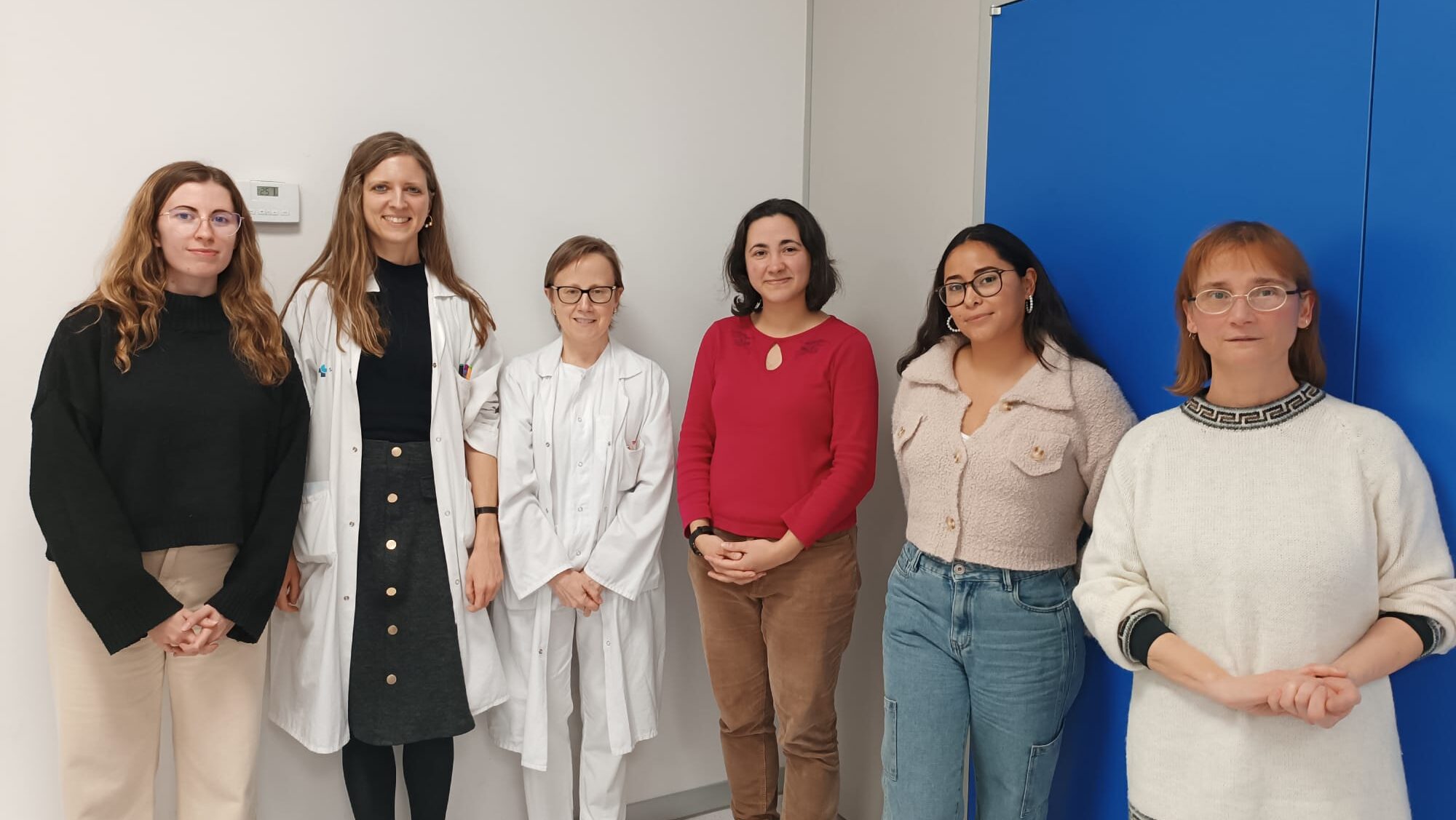
The HEVEPHARM group, affiliated with IBSAL and led by Professor José Juan García Marín, is part of the international research consortium headed by CIC bioGUNE at the Bizkaia Science and Technology Park.
The journal *Gut* has published the finding, which suggests that inhibiting the CNNM4 protein in combination with GalNAc siRNA technology opens up new avenues for personalized therapies.
Cholangiocarcinoma (CCA) is a rare, highly aggressive type of liver cancer that is often diagnosed late and has very limited treatment options. Only 20–30% of those affected are eligible for surgery, and survival rates remain low even after complete removal of the tumor. This urgent clinical challenge is motivating the scientific community to explore new strategies for managing the disease.
In this context, the research group at the Institute of Biomedical Research of Salamanca and the University of Salamanca (USAL) called “Experimental Hepatology and Drug Delivery” (HEVEPHARM/IBSAL/CIBEREHD), led by Professor José Juan García Marín, is part of the international team led by CIC bioGUNE at the Bizkaia Science and Technology Park, which has identified a new therapeutic target for cholangiocarcinoma and paved the way for the development of safe and effective personalized therapies.
The study, which was just published in the journal Gut reveals that the CNNM4 protein, which is responsible for transporting magnesium into cells, is produced in excess and continuously in cholangiocarcinoma. By blocking CNNM4, the research consortium was able to slow tumor growth, reduce resistance to chemotherapy, and prevent the spread of tumor cells. In addition, restoring magnesium balance triggered ferroptosis, a natural process that selectively eliminates cancer cells while increasing their sensitivity to treatment.
Deciphering the CNNM4 Gene and Protein
Specifically, HEVEPHARM was responsible for analyzing, using various techniques, the gene and protein expression levels in samples from patients with biliary tract cancer or cholangiocarcinoma involving the gene on which the study is based. “This gene, called CNNM4, encodes a protein involved in magnesium transport in healthy cells, a process that appears to be altered in tumor cells,” García Marín told USAL Communications.
The results obtained by the USAL research group have shown that “this alteration may be due to abnormally elevated expression of the CNNM4 protein, which is a common feature in the cholangiocarcinomas examined,” the professor emphasizes. As a result, the protein has been considered “an attractive therapeutic target for the development of strategies aimed at combating this tumor, for which—when it is inoperable—there is currently no effective treatment.”
Precision Medicine and New Therapies
The study, led by Malu Martínez-Chantar, principal investigator at CIC bioGUNE and the National Biomedical Research Network for the Study of Liver and Digestive Diseases (CIBEREHD) —with scientists Naroa Goikoetxea and María Mercado as co-firstauthors— has been highlighted with a dedicated editorial in *Gut*. In this regard, it is worth noting that the study demonstrates how GalNAc siRNA technology allows therapies to be specifically delivered to the liver, a precision approach that could ensure more effective, safer, and easier-to-administer treatments.
“Our work not only uncovers a promising therapeutic approach, but also demonstrates the potential of combining molecular biology with cutting-edge drug delivery technologies to bring us closer to personalized medicine for patients,” explains Malu Martínez-Chantar.
“These results highlight how targeting a metabolic vulnerability in cancer cells can become a powerful therapeutic strategy, ”adds Naroa Goikoetxea, a postdoctoral researcher in the Liver Diseases group at CIC bioGUNE.

© Figure created using Biorender
The international study by CIC bioGUNE, a member of the BRTA research alliance, combines expertise in tumor biology, cellular metabolism, and new therapeutic strategies, representing a significant advance in the fight against CCA and demonstrating how global scientific collaboration can generate innovative solutions for complex diseases.
Furthermore, this work is part of the activities carried out within the COST Action CA22125 Precision-BTC Network— further strengtheningits translational and collaborative impact— and benefits from the decisive contribution of national and international research centers and institutions, notably IBSAL and USAL.
Article reference:
Mercado-Gómez M, Goikoetxea-Usandizaga N, Giné AE, et al. Role of CNNM4 in the progression of cholangiocarcinoma: implications for ferroptosis and therapeutic potential. Gut Published Online First: August 5, 2025.
DOI: 10.1136/gutjnl-2024-333255.
HEVEPHARM, Group of Excellence of Castilla y León
The Experimental Hepatology and Drug Delivery Research Group (HEVEPHARM) is a multidisciplinary team composed of members from the Departments of Physiology and Pharmacology and Biochemistry and Molecular Biology at the University of Salamanca and the Salamanca University Healthcare Complex.
Recognized as a Group of Excellence in Castile and León, it is affiliated with the Salamanca Institute of Biomedical Research (IBSAL) and is part of the National Biomedical Research Network for the Study of Liver and Digestive Diseases (CIBEREHD) at the Carlos III Health Institute. Over the past 15 years, the research group has focused on studying issues related to the biochemistry, physiology, pathophysiology, and pharmacology of the liver.
About CIC bioGUNE and BRTA
The bioGUNE Research Center, a member of the Basque Research & Technology Alliance (BRTA) and headquartered at the Bizkaia Science and Technology Park, is a biomedical research organization that conducts cutting-edge research at the intersection of structural, molecular, and cellular biology, with a particular focus on studying the molecular basis of disease, to be used in the development of new diagnostic methods and advanced therapies.
BRTA is an alliance comprising four collaborative research centers (CIC bioGUNE, CIC nanoGUNE, CIC biomaGUNE, and CIC energiGUNE) and 13 technology centers (Azterlan, Azti, Ceit, Cidetec, Gaiker, Ideko, Ikerlan, Leartiker, Lortek, Neiker, Tecnalia, Tekniker, and Vicomtech) whose goal is to develop advanced technological solutions for the Basque business community.
IBSAL
The Institute of Biomedical Research of Salamanca (IBSAL) was established on March 21, 2011 through an agreement signed by the Ministry of Health of the Regional Government of Castilla y León and the University of Salamanca, which was joined in February 2012 by the Spanish National Research Council (CSIC). It integrates and coordinates the biosanitary research carried out at the University Hospital of Salamanca, the Primary Care Management of Salamanca and the biosanitary area of the University of Salamanca, including the Institute of Neurosciences of Castilla y León and the Institute of Molecular and Cellular Biology of Cancer.
Its scientific activity is organized into six areas, comprising a total of 88 research groups: Cancer (23 groups); Cardiovascular, Renal, and Respiratory (11); Neuroscience (12); Infectious, Inflammatory, and Metabolic Diseases (20); Gene and Cell Therapy and Transplants (6); and Primary Care, Public Health, and Pharmacology (16).
For more information and contact details:
jjgmarin@usal.es