
A study by IBSAL, published in the high-impact journal *Antioxidants*, shows that excessive alcohol consumption—whether chronic or occasional—causes alterations in glycolysis, the primary metabolic pathway for energy production, which could suggest a link between oxidative stress, metabolic reprogramming, and alcohol-induced organ damage.
The research suggests that biomarkers in the blood open up new opportunities for the early detection and clinical management of harmful drinking patterns, reinforces the scientific evidence that there is no safe level of alcohol consumption, and calls for public health policies that focus on changing social attitudes toward alcoholic beverages.
A study led by researchers from the Salamanca Biomedical Research Institute (IBSAL), the University of Salamanca, and the Salamanca University Healthcare Complex demonstrates that alcohol consumption—not only chronic, but also acute and occasional—causes measurable alterations in the expression of genes essential for energy metabolism, opening new avenues for the early detection of damage, personalized treatment, and the design of more effective public health policies to address excessive alcohol use disorder.
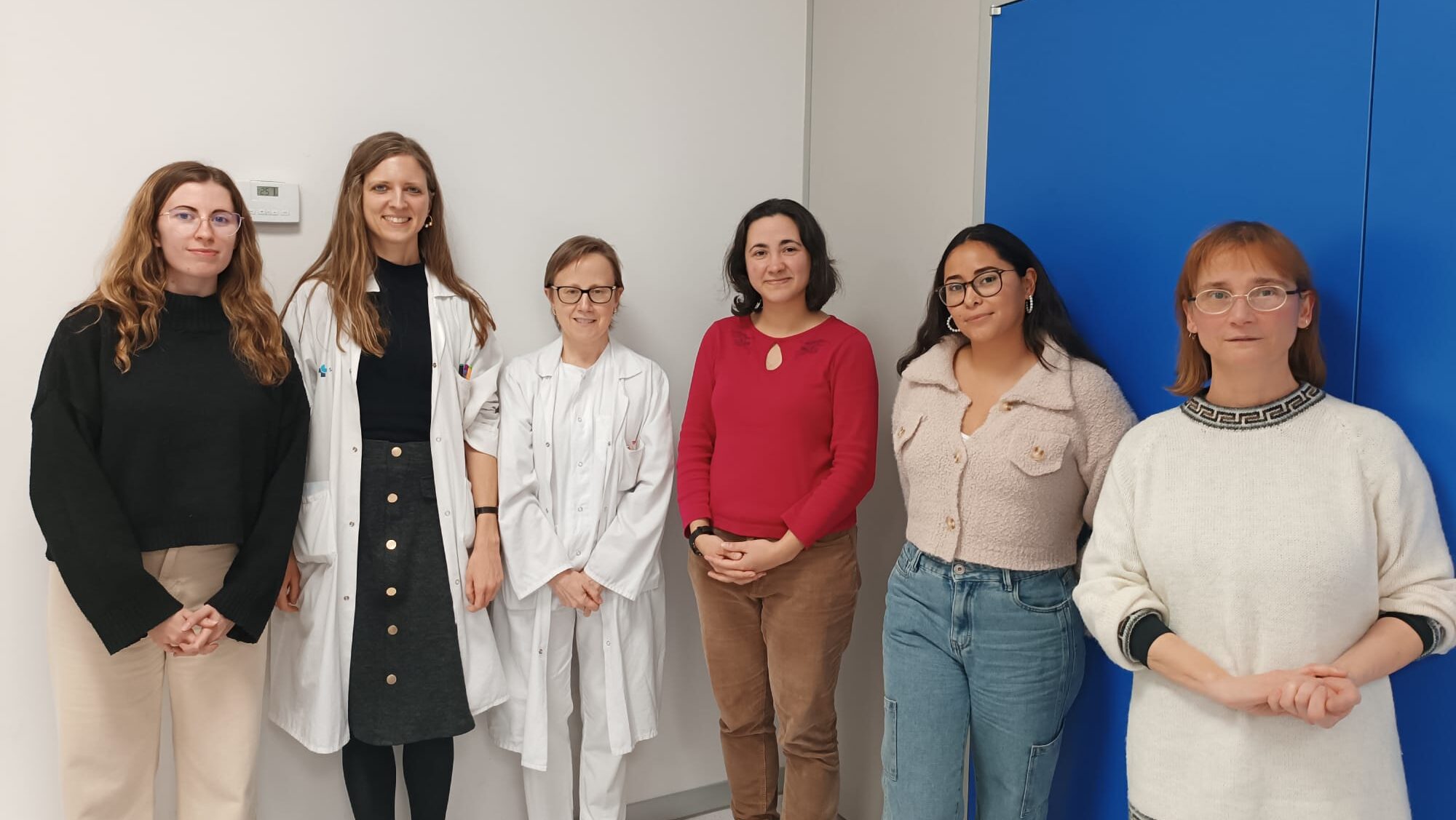
The study, published in the high-impact scientific journal *Antioxidants*, was led by Maura Lina Rojas Pirela and Miguel Marcos Martín, from the Autoimmune Diseases, Alcohol, and Metabolism at IBSAL, with collaboration from national and international centers.
Invisible but Profound Changes
The study shows that alcohol alters the expression of genes related to glycolysis, the primary metabolic pathway through which cells obtain energy from glucose. This process is essential for the normal functioning of organs such as the liver, the brain, and the immune system.
“The main finding is that alcohol alters the expression of multiple genes involved in glycolysis, both in people with alcohol use disorder and following a single episode of alcohol intoxication,” explains Maura Lina Rojas Pirela. “And it does so not only in the most common forms of these enzymes, but also in less common isoforms, some of which are linked to metabolic and neurodegenerative diseases and even cancer,” she adds.
The study analyzed the expression of 22 genes in peripheral blood samples, comparing people with chronic alcohol use disorder, individuals treated for acute alcohol intoxication, and healthy controls. The results are compelling: 13 genes showed significant alterations in people with alcohol use disorder, and 8 of those genes were also altered following alcohol intoxication, even in people without dependence.
This finding challenges the widely held belief that the effects of alcohol are only temporary when consumption is occasional.
“There is a widespread belief that a one-time binge drinking episode ‘runs its course’ with a hangover,” says Miguel Marcos Martín, “but our data show that a single night of heavy drinking is enough to cause profound molecular changes, very similar to those we observe in chronic alcohol use.”
From Metabolism to Oxidative Stress
Many of the enzymes whose expression is altered by alcohol are sensitive to oxidative stress, a process in which an excess of free radicals is produced that damages proteins, lipids, and DNA.
“Alcohol is a direct toxin that affects multiple metabolic pathways,” explains Marcos, adding, “In this study, we clearly see a connection between metabolic reprogramming, oxidative stress, and organ damage—a central axis in the pathophysiology of damage related to excessive alcohol consumption.”
To gain a deeper understanding of these mechanisms, the team also conducted in vitro experiments on astrocytes, cells that are essential for brain function and protection. After exposing them to ethanol, they observed alterations in glycolytic genes and other genes critical for cellular function, many of which had previously been linked to neurodegenerative diseases.
“This reinforces the idea that what we detect in peripheral blood may reflect pathological processes occurring in organs such as the brain,” adds Rojas Pirela.
Biomarkers for More Preventive and Personalized Medicine
One of the most promising aspects of the study is the identification of molecular biomarkers that can be measured in the blood, which opens the door to direct clinical applications.
“In clinical practice, these potential biomarkers could make it possible to objectively monitor alcohol exposure, detect metabolic damage at an early stage, and personalize treatments,” notes Rojas Pirela. “Currently, many of the markers we use appear only when the damage is already advanced,” she says.
According to Miguel Marcos, these gene expression profiles could help stratify patients based on their risk, even before clinical symptoms appear: “We could identify people who are particularly vulnerable to organ damage and take action sooner, which would have a huge impact in terms of prevention and reducing healthcare costs.”
Furthermore, the results support the development of new therapeutic strategies, such as targeted antioxidants, drugs that modulate glucose metabolism, or combined interventions that address alcohol-induced metabolic and redox damage.
The study also opens up multiple avenues of research for the future. Among these, the researchers highlight the need to validate these potential biomarkers in larger and more diverse cohorts; to conduct longitudinal studies to assess how they change with abstinence or treatment; and to integrate these data with proteomics and metabolomics to gain a more comprehensive understanding of the impact of alcohol.
“The next big step is to develop biomarker panels that can be used routinely in clinical practice and to evaluate in experimental models whether intervening in these metabolic abnormalities actually improves health outcomes,” explains Marcos.
Public Health Implications: The “Zero Consumption” Message
Beyond the laboratory and the doctor’s office, the study has direct implications for public health policy. Alcohol consumption is the leading cause of premature death and preventable disability among people aged 15 to 49, but as Miguel Marcos points out, “nearly 90% of the population consumes alcohol, and it is deeply normalized.” “The scientific evidence is increasingly clear: there is no such thing as safe drinking,” he emphasizes.
The researchers emphasize that these findings reinforce the message that the only alcohol consumption that is truly beneficial to health is zero consumption.
“We don’t want anyone to drink alcohol thinking it’s good for them,” Marcos concludes. “Just as no one eats candy thinking it’s healthy, alcohol should be viewed as a product for occasional consumption that carries real risks. This study makes it possible, for the first time, to objectively measure that harm even after sporadic consumption.”
In this regard, the authors believe that the potential biomarkers identified could be used in prevention programs, educational campaigns, and early detection strategies, helping to raise awareness about the effects of alcohol at the molecular level, even when there are no visible symptoms.
Reference article:
Rojas-Pirela M, Salete-Granado D, Andrade-Alviárez D, Prieto-Rojas A, Rodríguez C, Aguilar-Sánchez M-L, Puertas-Miranda D, Pérez-Nieto M-Á, Rueda-Cala V, Pérez C, Quiñones W, Michels P, Almeida A, Marcosd, M. Dysregulated Expression of Canonical and Non-Canonical Glycolytic Enzyme Isoforms in Peripheral Blood from Subjects with Alcohol Use Disorder and from Individuals with Acute Alcohol Consumption. Antioxidants. 2025; 14(9):1143. https://doi.org/10.3390/antiox14091143
IBSAL
The Salamanca Institute for Biomedical Research (IBSAL) was established on March 21, 2011, through an agreement signed by the Department of Health of the Regional Government of Castile and León and the University of Salamanca, which was joined in February 2012 by the Spanish National Research Council (CSIC). It is one of the 36 health research institutes accredited by the Carlos III Health Institute.
Its scientific activity is organized into six areas, comprising a total of 86 research groups: Cancer (22 groups); Cardiovascular, Renal, and Respiratory (11); Neuroscience (12); Infectious, Inflammatory, and Metabolic Diseases (19); Gene and Cell Therapy and Transplants (6); and Primary Care, Public Health, and Pharmacology (16).
For more information and contact details:
comunicacion@ibsal.es