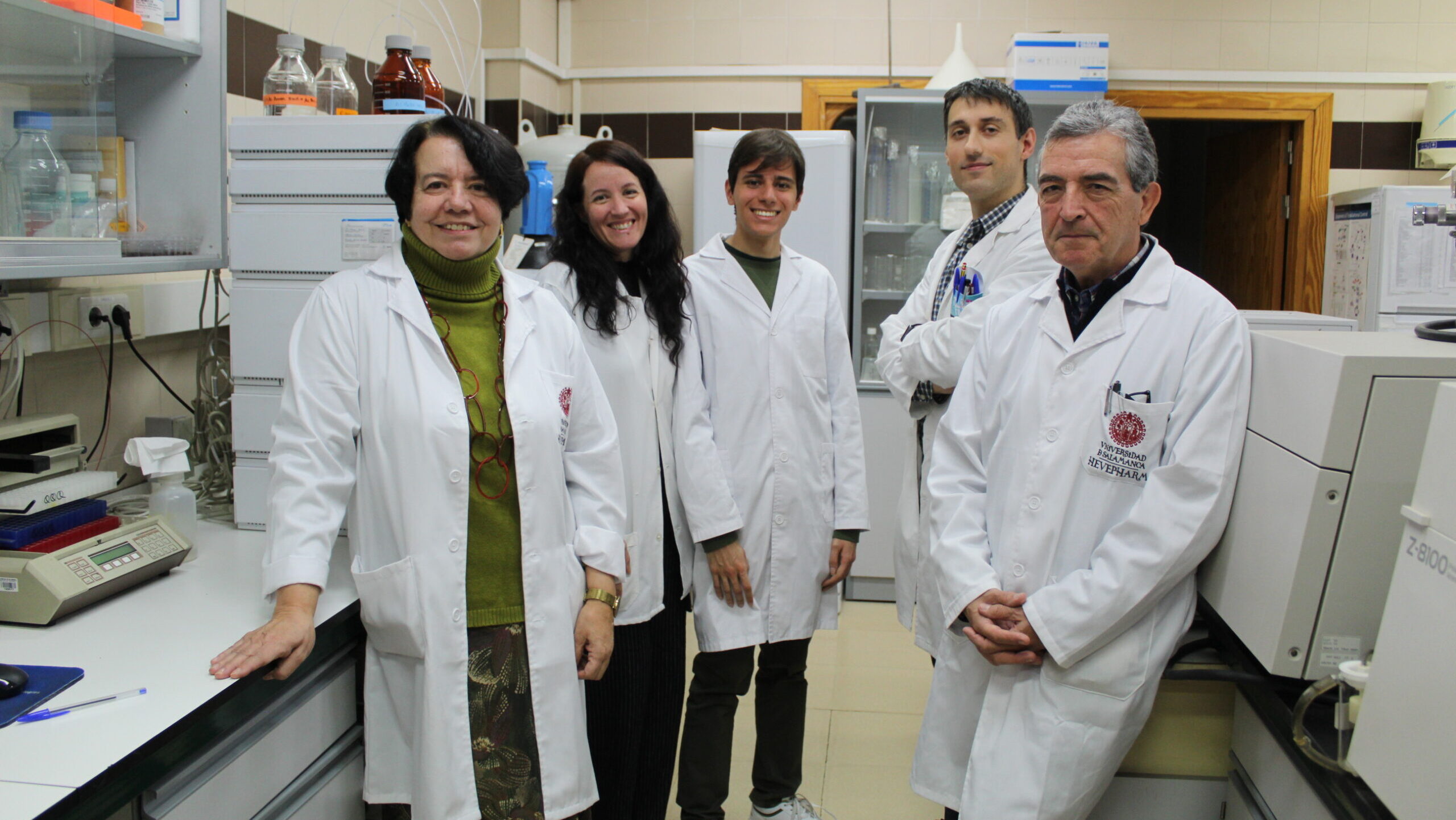
A study by IBSAL and USAL, published in the high-impact journal *Hepatology*, reveals that molecules produced by gut bacteria enter human bile and could serve as markers of dysbiosis and its possible link to liver and biliary diseases
The study is based on a translational approach that combines clinical observations from samples taken from more than 200 patients with basic research using animal models and cellular studies to demonstrate this new physiological process
A study led by researchers at the Salamanca Biomedical Research Institute (IBSAL), and the University of Salamanca has discovered a new communication mechanism between the gut and the liver: certain molecules produced by the gut microbiota not only act locally in the gut but can also travel through the entire enterohepatic circulation and appear in human bile.
The finding, published in the high-impact scientific journal Hepatology, shows for the first time that so-called amide-modified bacterial bile acids (MABAs)—molecules generated when gut bacteria modify bile acids—are present in the bile of patients with diseases of the liver, pancreas, and bile ducts.
A discovery that challenges the traditional view of bile acids
Bile acids are substances produced by the liver that act as “natural detergents” and are essential for digesting fats and absorbing vitamins. Until a few years ago, it was thought that their composition was strictly controlled by the body itself. However, recent studies had identified small amounts of bile acids in animals that had been modified by gut bacteria.
“We wondered whether those molecules, which had been observed in mice, also existed in humans and whether they remained in the intestine or followed the entire bile acid cycle,” explains José Juan García Marín, principal investigator of the study and head of the Experimental Hepatology and Drug Delivery Group (HEVEPHARM), which is part of the National Biomedical Research Network for the Study of Liver and Digestive Diseases (CIBEREHD) at the Carlos III Health Institute.
To answer this question, and in collaboration with the Salamanca University Healthcare Complex and other national and international centers, the team analyzed more than 200 samples of human bile from patients with various hepatopancreatobiliary conditions—such as cholangiocarcinoma, or bile duct cancer—using high-resolution mass spectrometry techniques capable of detecting extremely small amounts.
“We wanted to make sure this wasn’t just a one-off observation. That’s why we combined the analysis of patient samples with animal models and cellular systems, which allowed us to track the path of these molecules step by step, ”the researcher notes.
Rare but revealing molecules
The results showed that approximately half of the patients studied had MABAs in their bile, although at concentrations one million times lower than those of normal bile acids. These molecules were not found in healthy individuals, and their presence was more common in situations where the flow of bile into the intestine is impaired.
“Finding them in human bile was key, because it shows that these bacterial molecules are not just a local peculiarity of the intestine, but rather behave like true bile acids and travel throughout the entire system, ”notes García Marín.
The study also demonstrated, using animal and cellular models, that MABA are absorbed in the intestine, enter the portal circulation, and are taken up by the liver via the same transporters used by conventional bile acids.
“Until now, it was assumed that these molecules remained in the intestine, but our results show that they can traverse the entire gut-liver axis and reach the bile. This changes our understanding of the communication between the microbiota and the body, ”explains the professor of Physiology at the University of Salamanca.
A possible indicator of intestinal dysbiosis
Although MABA compounds do not appear to have any toxic effects or direct clinical consequences, their presence provides valuable information: they indicate an imbalance in the gut microbiota, a condition known as dysbiosis.
“These molecules could act as a kind of chemical fingerprint indicating that the gut ecosystem is out of balance,” explains the principal investigator. “We don’t yet know if they play a functional role, but their appearance tells us that something is changing in the relationship between the gut and the body.”
The team believes that this discovery opens up new possibilities in the medium and long term. One of these is the development of new biomarkers that will make it possible to easily detect changes in the microbiota.
“If we can amplify the signal and detect them in the blood, they could become a very useful tool for identifying states of dysbiosis and personalizing treatments,” explains Álvaro Gacho Temprano, a chemist on the team who is currently working on developing more sensitive detection methods.
From a microbiological standpoint, the finding also opens the door to new strategies for modulating the microbiota. “Understanding which microorganisms produce these molecules and why they do so can help us intervene to restore intestinal balance by favoring certain populations over others,” adds Lorena Carro, a microbiologist on the team.
Challenges and Future Research Directions
This research marks the beginning of a new multidisciplinary line of work that combines physiology, microbiology, chemistry, and clinical medicine. Upcoming challenges include: identifying all variants of MABAs produced by the microbiota; understanding their potential biological or pathophysiological function; developing simple methods for their detection in clinical samples; and exploring whether other microbial metabolites follow similar pathways to the bile.
“This study is not an endpoint, but a starting point. We now know that these molecules exist and circulate; the next step is to understand how they change in the disease and how we can use them clinically,” notes the principal investigator.
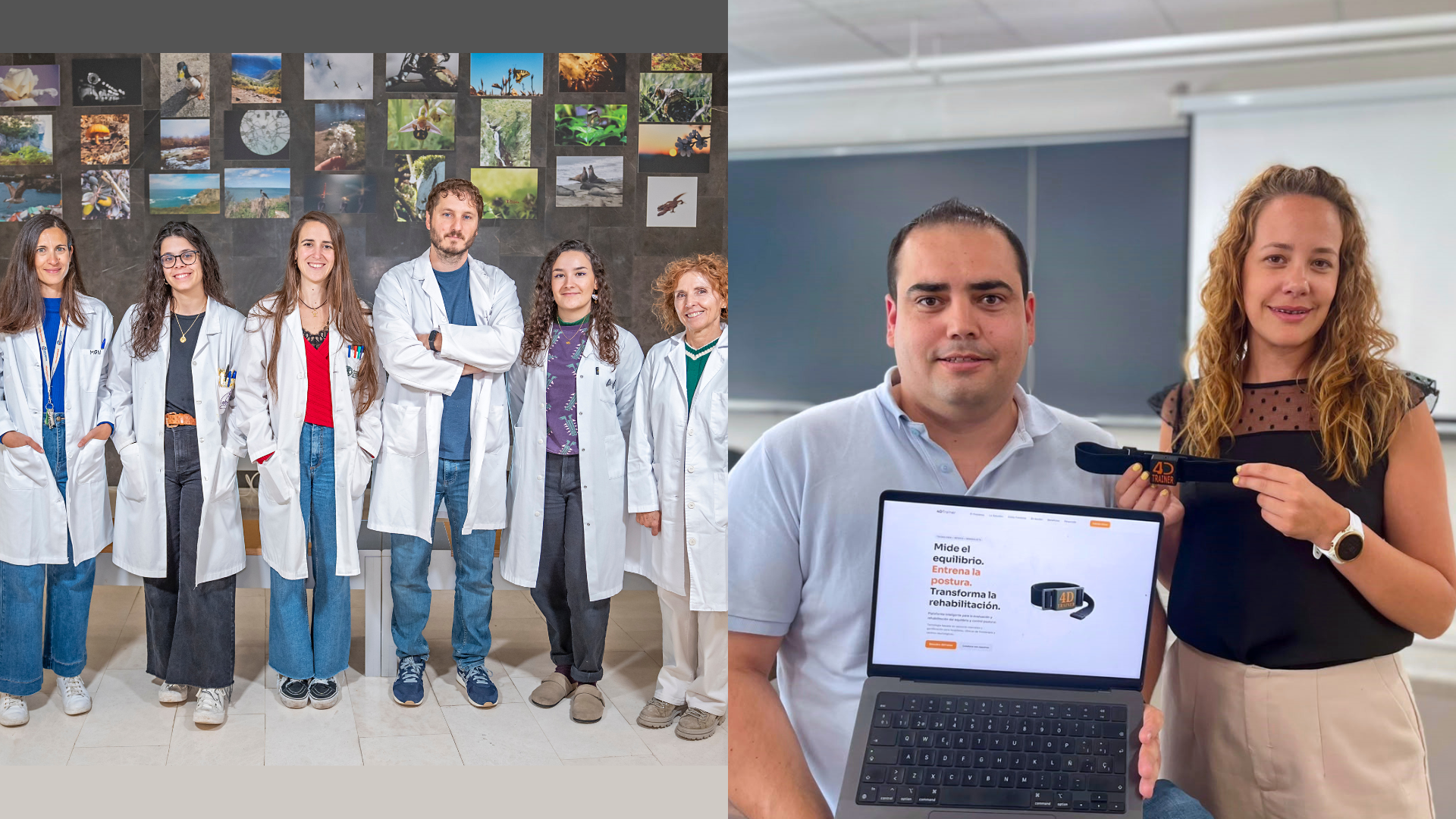
Thus, the project continues at the IBSAL’s Laboratory of Experimental Hepatology and Drug Delivery (HEVEPHARM), directed by José Juan García Marín, with the participation of María Jesús Monte, Marta Rodríguez Romero, Lorena Carro, Álvaro Gacho Temprano, and young researchers in training, in collaboration with national and international centers.
“This study compels us to broaden our understanding of the microbiota and its role in human physiology,” concludes García Marín.“We’re probably only seeing the tip of the iceberg.”
Reference article:
Temprano AG, Romero MR, Ghallab A, Llera L, Macias RIR, van Eijk HM, Rullán M, Urman J, Ay Ü, Lenicek M, Hengstler JG, Neumann UP, Berasain C, Avila MA, Olde Damink SWM, Monte MJ, Marin JJG, Schaap FG. Gut-to-bile transfer of microbially amidated minor bile acids in patients with hepatopancreatobiliary disorders. Hepatology. June 23, 2025. doi: 10.1097/HEP.0000000000001441.
IBSAL
The Salamanca Institute for Biomedical Research (IBSAL) was established on March 21, 2011, through an agreement signed by the Department of Health of the Regional Government of Castile and León and the University of Salamanca, which was joined in February 2012 by the Spanish National Research Council (CSIC). It is one of the 36 health research institutes accredited by the Carlos III Health Institute.
Its scientific activity is organized into six areas, comprising a total of 88 research groups: Cancer (23 groups); Cardiovascular, Renal, and Respiratory (11); Neuroscience (12); Infectious, Inflammatory, and Metabolic Diseases (20); Gene and Cell Therapy and Transplants (6); and Primary Care, Public Health, and Pharmacology (16).
For more information and contact details:
comunicacion@ibsal.es