Nature Reviews Gastroenterology & Hepatology publishes the article, which provides a comprehensive, critical, and up-to-date assessment of the current state of knowledge on cholangiocarcinoma and summarizes the major scientific advances made worldwide in recent years
A total of 147 international thought leaders from 35 countries participated in updating the Consensus as part of the European COST Precision-BTC Network, coordinated by Professor Rocío I. R. Macías
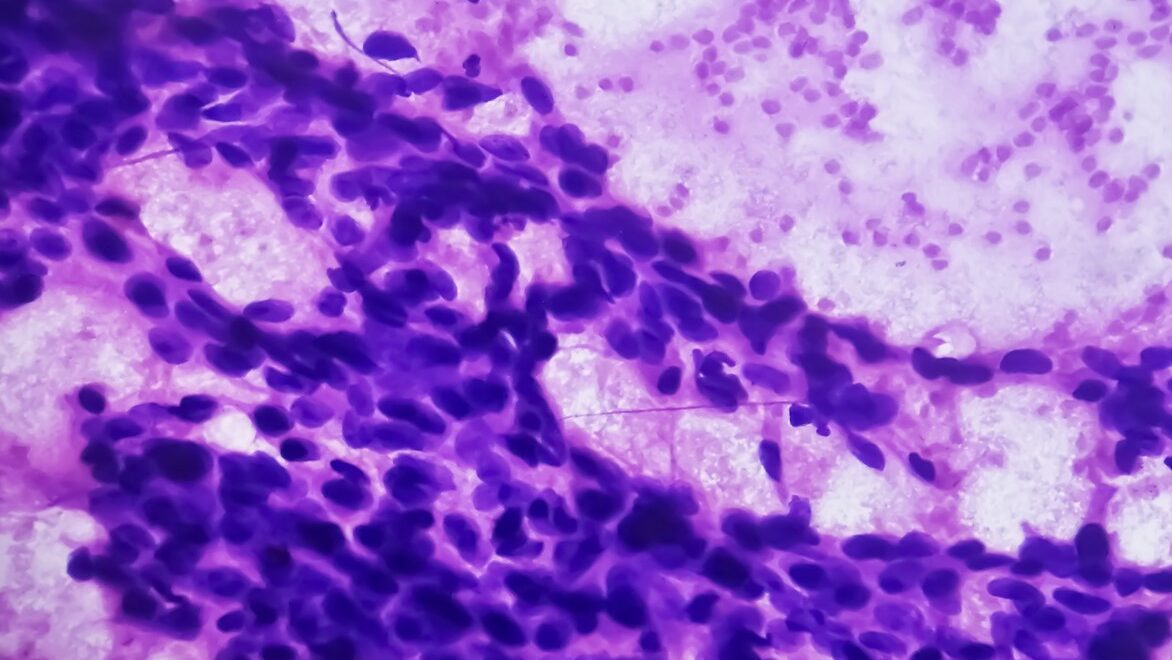
Cholangiocarcinoma is the second most common primary liver cancer worldwide. Although it is still considered a rare cancer, its incidence is increasing globally, partly due to rising risk factors and improvements in diagnostic techniques. Despite the advances made in recent years in understanding the disease and the approval of new treatments that have helped improve patient survival, cholangiocarcinoma remains a highly aggressive tumor with a poor prognosis following diagnosis.
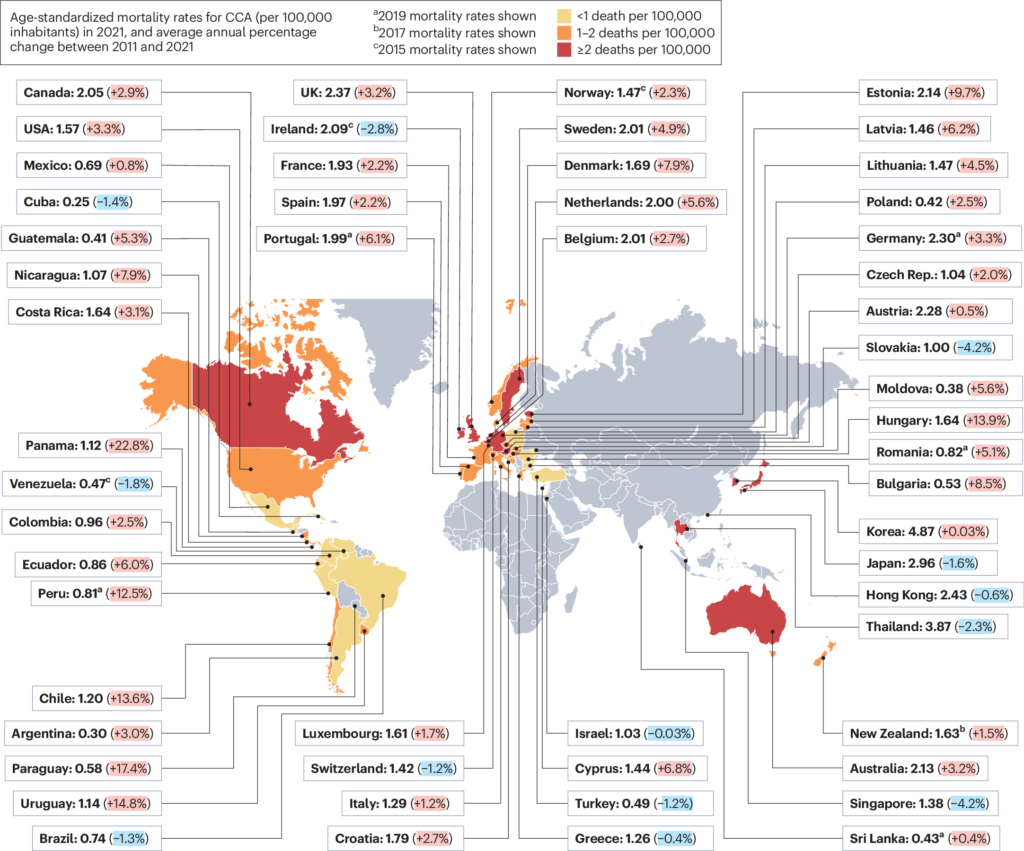
Global Mortality from Cholangiocarcinoma.
In this context, the University of Salamanca (USAL) and the Salamanca Institute for Biomedical Research (IBSAL) have played a leading role in developing the most recent version of the “International Consensus on Biliary Tract Cancer or Cholangiocarcinoma (CCA),” which comprehensively addresses the basic, molecular, translational, and clinical aspects of this disease. The document was recently published by the prestigious journal *Nature Reviews Gastroenterology & Hepatology*.
The study was led by researchers from IIS Biogipuzkoa and the CIBER for Liver and Digestive Diseases (CIBERehd), in collaboration with the European Network for the Study of Cholangiocarcinoma (ENS-CCA), a multidisciplinary and collaborative network of internationally recognized prestige in the field of biliary tract tumors. The article provides a critical and comprehensive assessment of current knowledge about the disease, integrating the advances made in recent years by numerous research groups and patient associations around the world.
The new consensus update was developed within the framework of the European COST Precision-BTC Network and involved the participation of professors Rocío I. R. Macías, José Juan García Marín, and Elisa Lozano, who coordinated and made significant contributions to the sections on biomarkers and preclinical models.
It should also be noted that the COST Action Precision-BTC Network is coordinated by Professor Rocío I. R. Macías, a professor in the Department of Physiology and Pharmacology at the University of Salamanca and a member of the HEVEPHARM Research Group (Experimental Hepatology and Drug Delivery). This initiative was launched in 2023 with the goal of advancing the development of precision medicine for patients with bile duct cancer.
Third International Consensus: Key Aspects, Future Research, and Emerging Treatments
This article represents the third international consensus in this field, following the editions published in 2016 and 2020, which together have accumulated more than 3,300 citations in the Scopus database. The updated document provides an in-depth review of the main basic, translational, and clinical aspects of cholangiocarcinoma, incorporates new perspectives on emerging and promising treatments, and defines strategic development pathways and research priorities for the coming years.
Among the most relevant recommendations, the consensus highlights the need for an appropriate anatomical, histological, and molecular classification of tumors, which has the potential to significantly impact both current and future treatments as well as the evaluation of patients by multidisciplinary committees.
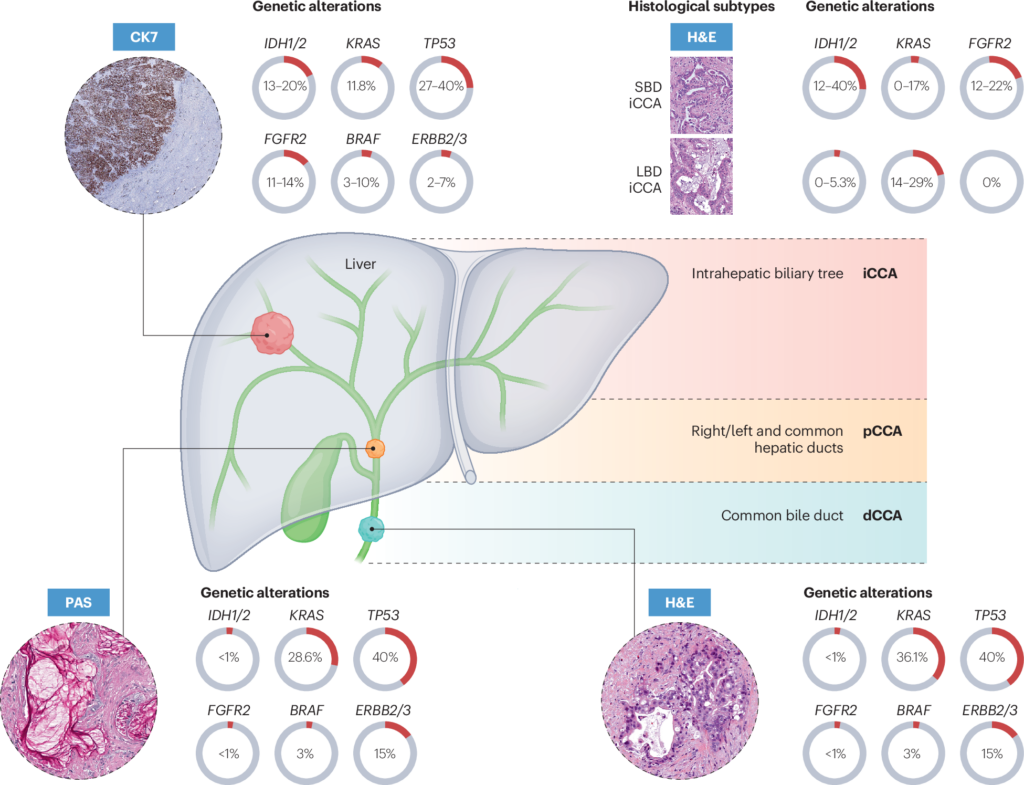
Anatomical subtypes of cholangiocarcinoma and their most common genetic alterations.
Furthermore, key research priorities include identifying methods for early detection, developing biomarkers that predict treatment response, improving our understanding of the modulation of the tumor microenvironment, and gaining a deeper understanding of the role of local therapies and their combination with systemic treatments.
The experts’ recommendations were developed through a rigorous consensus-building process known as the Delphi method, in which 147 international thought leaders from 35 countries in Europe, North America, Latin America, Asia, Africa, and Oceania participated, highlighting the document’s global scope and the broad scientific consensus reached.
Developing this international consensus has posed a significant organizational and scientific challenge, due both to the large number of experts and patient organizations involved and to the diversity of the issues evaluated. Nevertheless, the result is a clear example of international collaboration aimed at clarifying the key elements of the disease and defining future priorities in education, research, and treatment.
COST Precision-BTC Network Action: Precision Medicine for Biliary Tract Cancer
COST Actions are interdisciplinary research networks that bring together researchers and innovators to address a specific topic over a four-year period. Open to all fields of science and technology, they bring together researchers from academia, small and medium-sized enterprises, public institutions, and other relevant organizations, providing an inclusive, pan-European environment for the development of scientific collaboration networks.
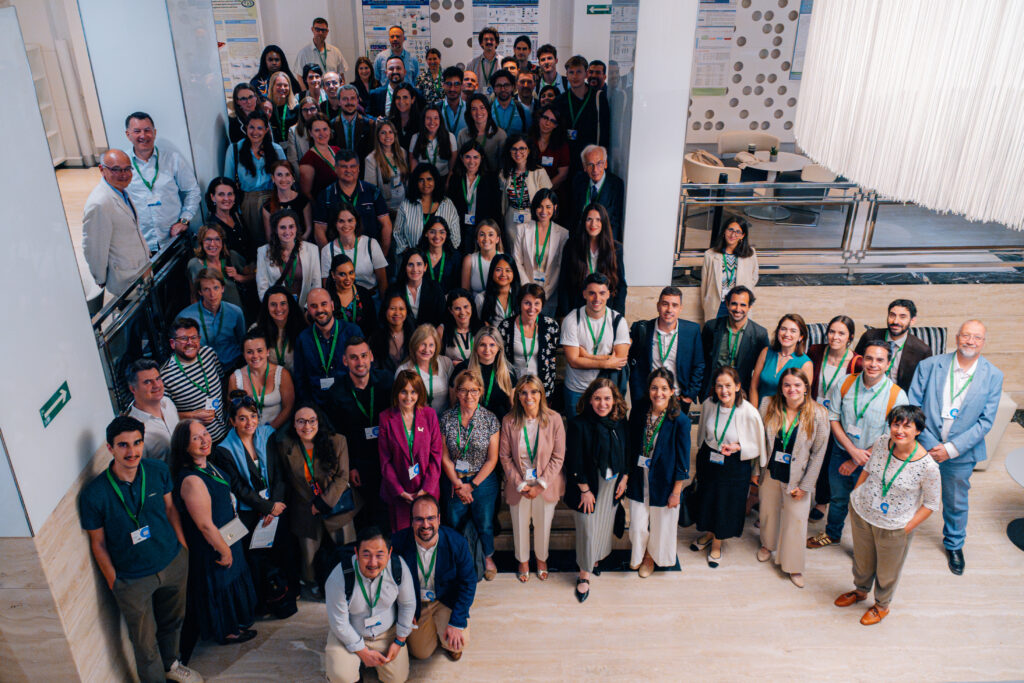
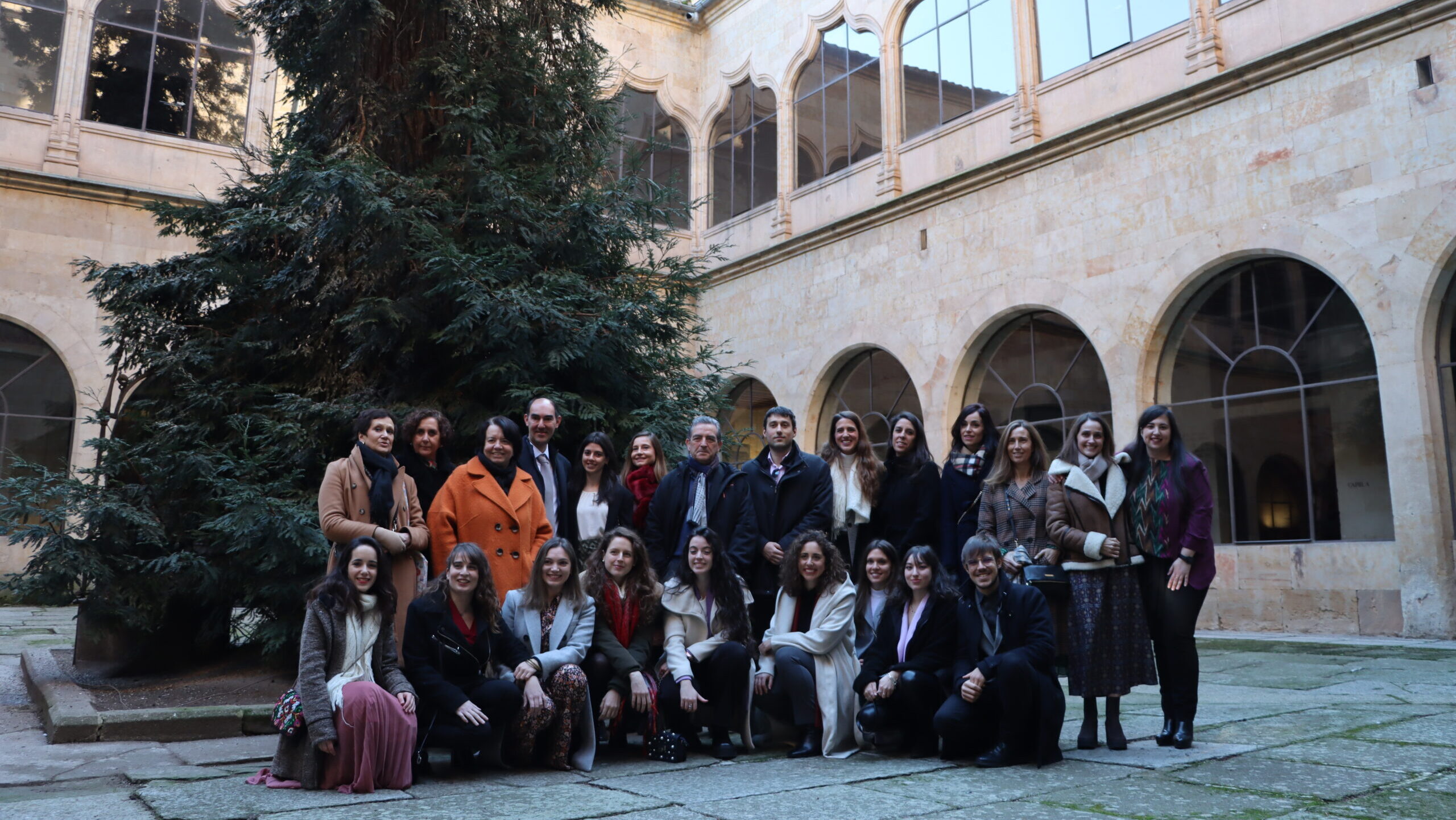
Group photo taken at the most recent conference of the COST Precision-BTC Network.
The COST Precision-BTC Network Action, coordinated by Professor Rocío I. R. Macías, was launched in 2023 with the goal of promoting precision medicine for patients with biliary cancer. As part of this effort, the initiative has received 600,000 euros in funding from the European Union for its first three years, intended to foster collaboration through mobility programs for young researchers, training schools, webinars, scientific conferences, and a mentoring program (https://precision-btc.eu).
Currently, the network has more than 600 members, and in its first two years of operation, it has facilitated the publication of more than 55 collaborative scientific articles. In addition, it has secured nearly 8 million euros in European funding for joint research projects and has developed highly informative materials for both healthcare professionals and patients, which have been translated into several languages.
International Cholangiocarcinoma Day
All of these achievements take on special significance during Cholangiocarcinoma Awareness Month and, in particular, on International Cholangiocarcinoma Day, which will be observed on February 19.
To mark this occasion, the facade of the University of Salamanca and other iconic buildings in the city will once again be illuminated in green to join the campaign organized by the patient association ATUVIBI (#IluminaEnVerde2026).
This symbolic gesture reinforces the University of Salamanca’s commitment to raising social awareness, conducting research, and supporting initiatives that promote a more informed, compassionate, and engaged society, reminding us that every light turned on is a way to show support and affirm that hope is also built through institutions.
Article Information:
Cholangiocarcinoma 2026: Current Status, Unmet Needs, and Priorities. Banales JM*, Rodrigues PM*, Affò S, Andersen JB, Aspichueta P, Boulter L, Bridgewater J, Calvisi DF, Cardenas A, Cardinale V, Carpino G, Coulouarn C, Dopazo C, Edeline J, Fabris L, Folseraas T, Forner A, Goeppert B, Heikenwalder M, Kendall TJ, Khan SA, Klümpen HJ, Koerkamp BG, Lamarca A, Lindsey S, Lleo A, Luedde T, Macias RIR, Morement H, Nault JC, Olaizola P, Perugorria MJ, Raggi C, Rimassa L, Saborowski A, Valle JW, Vithayathil M, Vogel A, Braconi C; International CCA Consensus Consortium. Nat Rev Gastroenterol Hepatol Jan 2026;23(1):65-96. doi: 10.1038/s41575-025-01153-w
PMID: 41372578
For more information: Rocío I.R. Macías, professor in the Department of Physiology and Pharmacology at USAL. HEVEPHARM Research Group. Experimental Hepatology and Drug Delivery. University of Salamanca/IBSAL/CIBEREHD. Email: rociorm@usal.es Phone: 923294500, ext. 1912